
Markets

Ludwig von Mises: Defender of Capitalism
Ludwig Von Mises is important because his teachings are necessary to the preservation of capitalism and thus of civilization.
Law

The Number One Action Elected Officials Can Do For Affordability is Permitting Reform
If our politicians care about affordability, they will pass permitting reform
Culture

Columbus Day: A Time to Celebrate
Underlying the political collectivism of the anti-Columbus crowd is a racist view of human nature.
This Labor Day Celebrate The Human Mind
A Bet Between Julian Simon and Paul Ehrlich Demonstrates The Most Important Check in Economics
Book Review of “Knife: Meditations After an Attempted Murder” by Salman Rushdie
Why a Leftist Betrayed Your Friendship
Rediscovering The American Ideal
Put the Independence Back in Independence Day
On July 4th: Love America or Lose Her
Politics
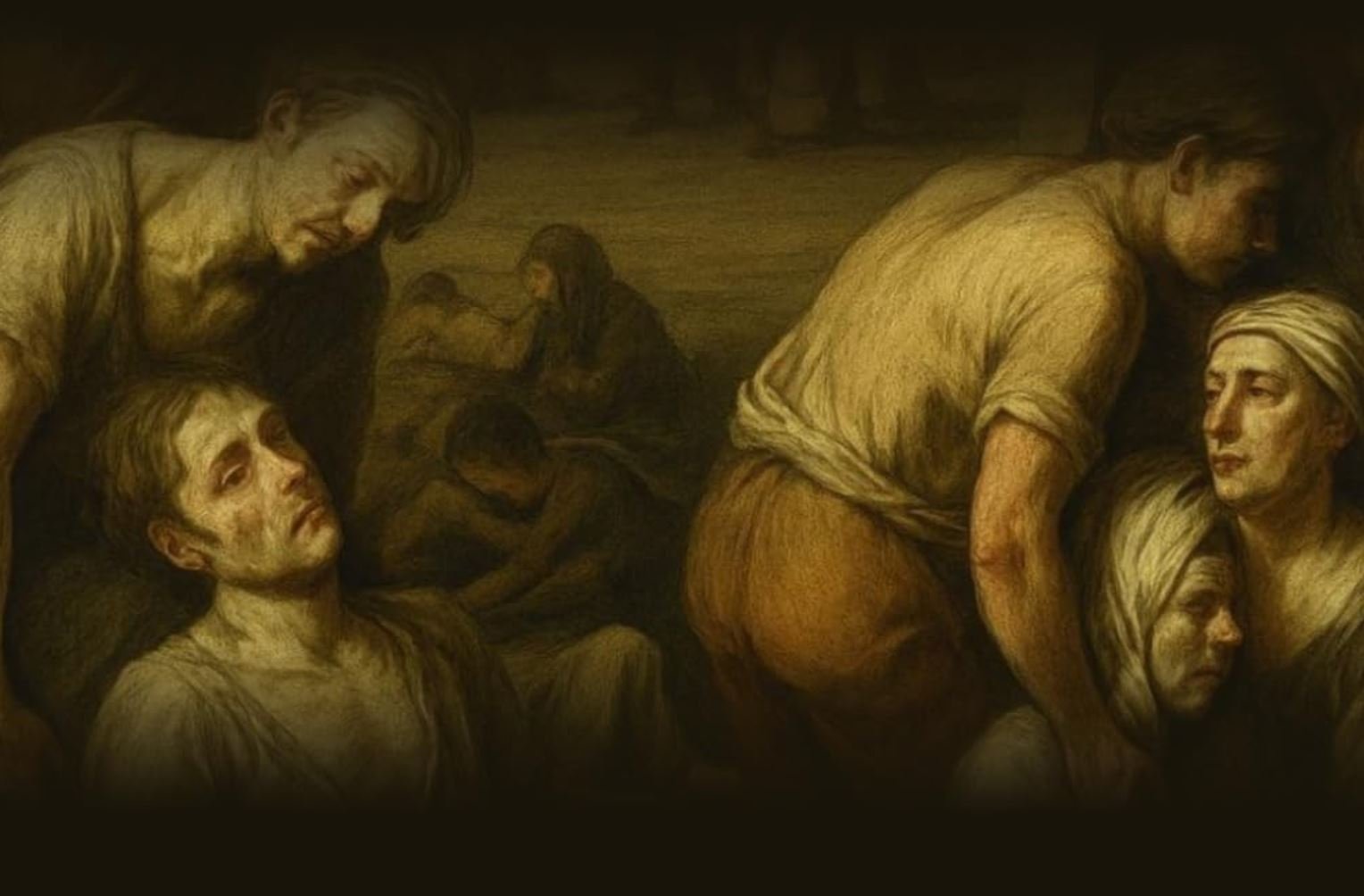
Cries for Help: Injury and Death Buried in V-Safe Data
These are the life stories of real people as reported to the CDC through its own vaccine-safety monitoring system called V-safe.
Why Health Insurance in America Lacks Rationality and How To Fix It
Are Taxes “the Price We Pay for Civilization”?
Why Nazism Was Socialism and Why Socialism Is Totalitarian
July Fourth Celebrates America’s and the West’s Core Values
Why Is American Healthcare So Expensive?
Blaming Patents Won’t Lower Drug Prices
Intersectionality vs. American Individualism
World

United Free Nations
The free nations of the world should work together to achieve the highest degree of separation possible between their world and the unfree world.
Science & Technology

The Case Against Social Media “Addiction”
By Jeffrey A. Singer and Adam Omary A movement is underway to classify heavy social media use as a form of addiction. Advocacy groups, plaintiffs’ attorneys, and a growing number of lawmakers are treating the proposition as settled science. In a landmark California...