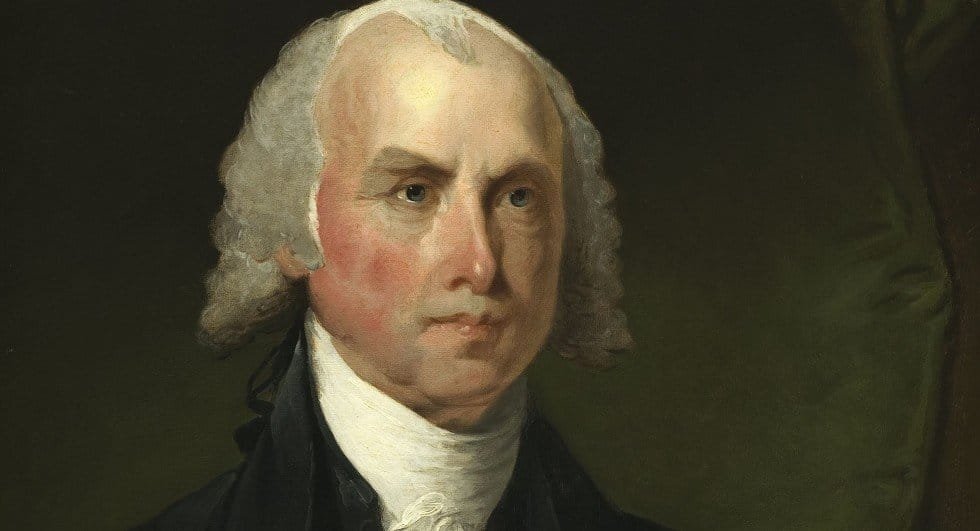
Madison, who would become known as the “Father of the Constitution,” argued that in a pure democracy, “there is nothing to check the inducement to sacrifice the weaker party or an obnoxious individual.”

Today, when a concerted effort is made to obliterate this point, it cannot be repeated too often that the Constitution is a limitation on the government, not on private individuals—that it does not prescribe the conduct of private individuals, only the conduct of the government—that it is not a charter for government power, but a charter of the citizens’ protection against the government. – AYN RAND
Madison, who would become known as the “Father of the Constitution,” argued that in a pure democracy, “there is nothing to check the inducement to sacrifice the weaker party or an obnoxious individual.”
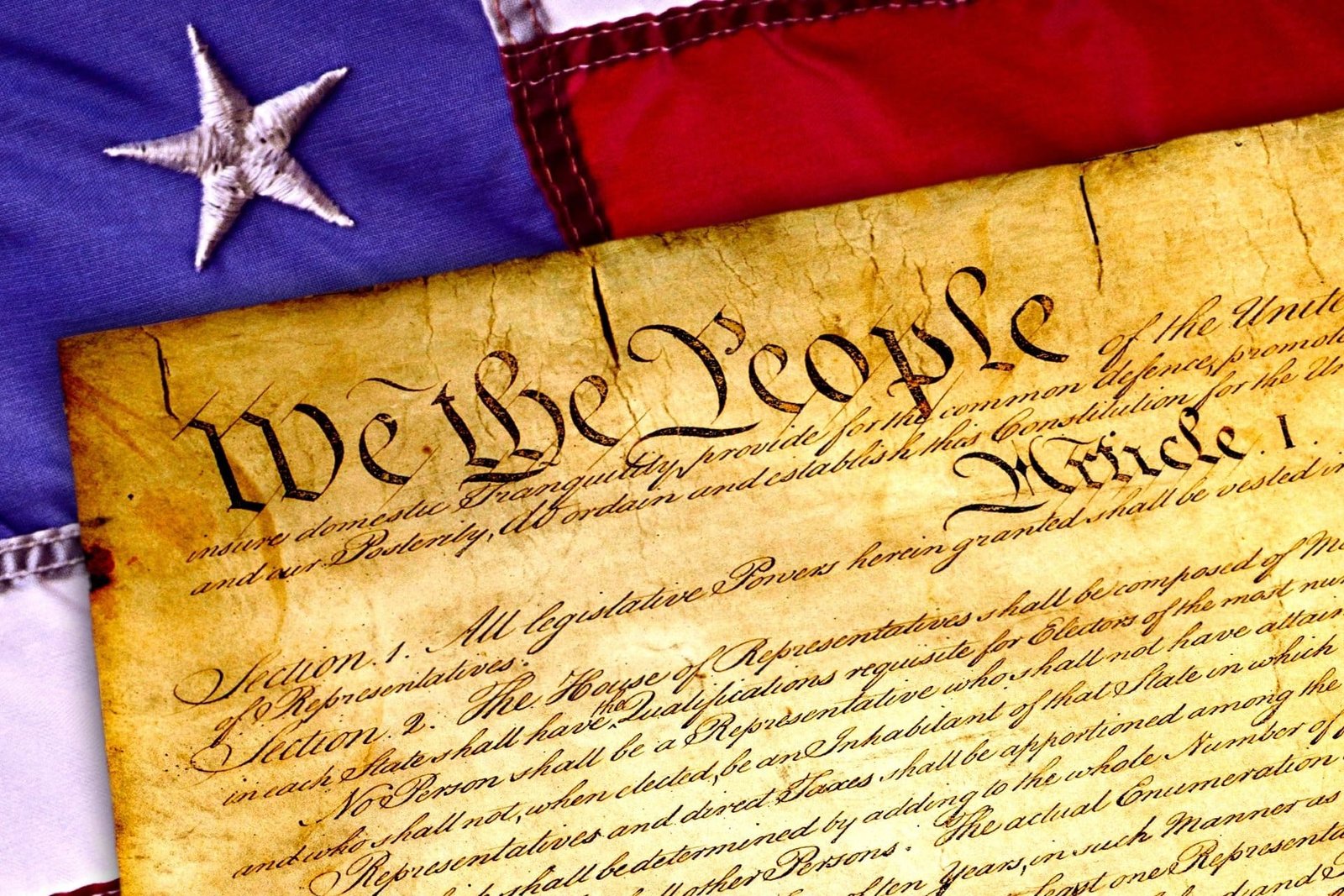
The purpose of a constitution is to define the structure and rules by which a government operates. In the case of the United States Constitution, those rules are—contra to most other such constitutions—explicitly designed to limit the government’s authority.
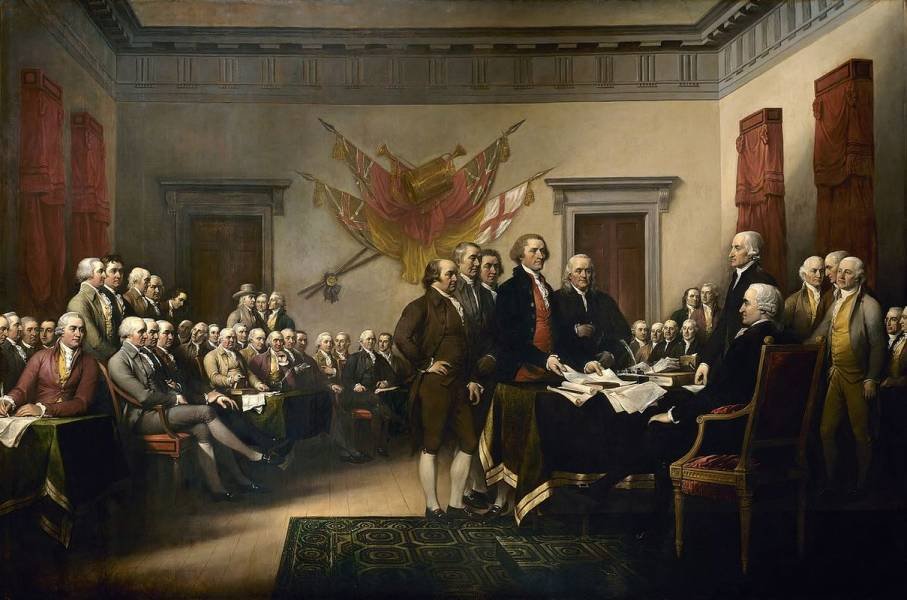
Their deepest fear was an ignorant citizenry—a public that could be handed liberty and squander it because they lacked the mental tools to defend it. The Founders understood something that gets lost in the monument-and-marble version of history: a republic is not a structure. It’s a practice. And practices die when people forget how to perform them.

The Iran Strikes Are Constitutional. That’s Not The Interesting Question.

Can executive officials authorize themselves to enter a home? Or must they obtain a warrant from a judicial officer?
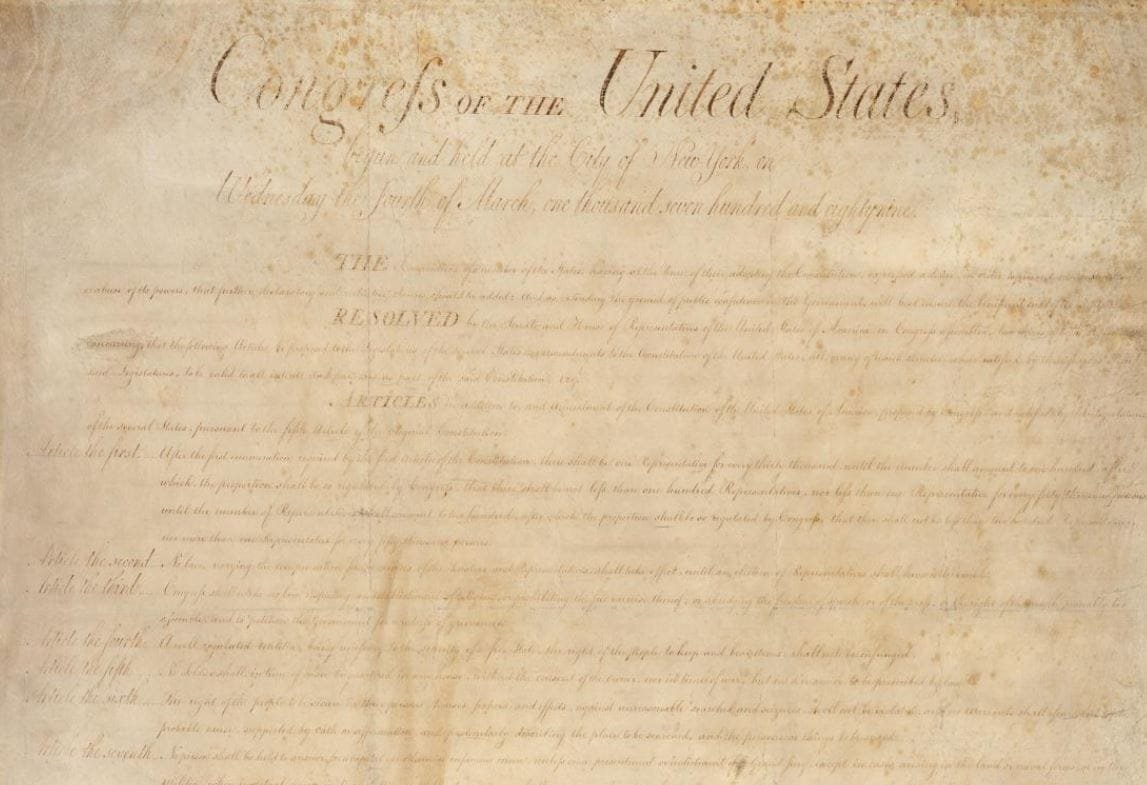
Anti-Federalists, who feared a powerful central government, demanded greater assurances.

There are arguments on both sides, many of which are fact-specific and depend on constantly changing circumstances.
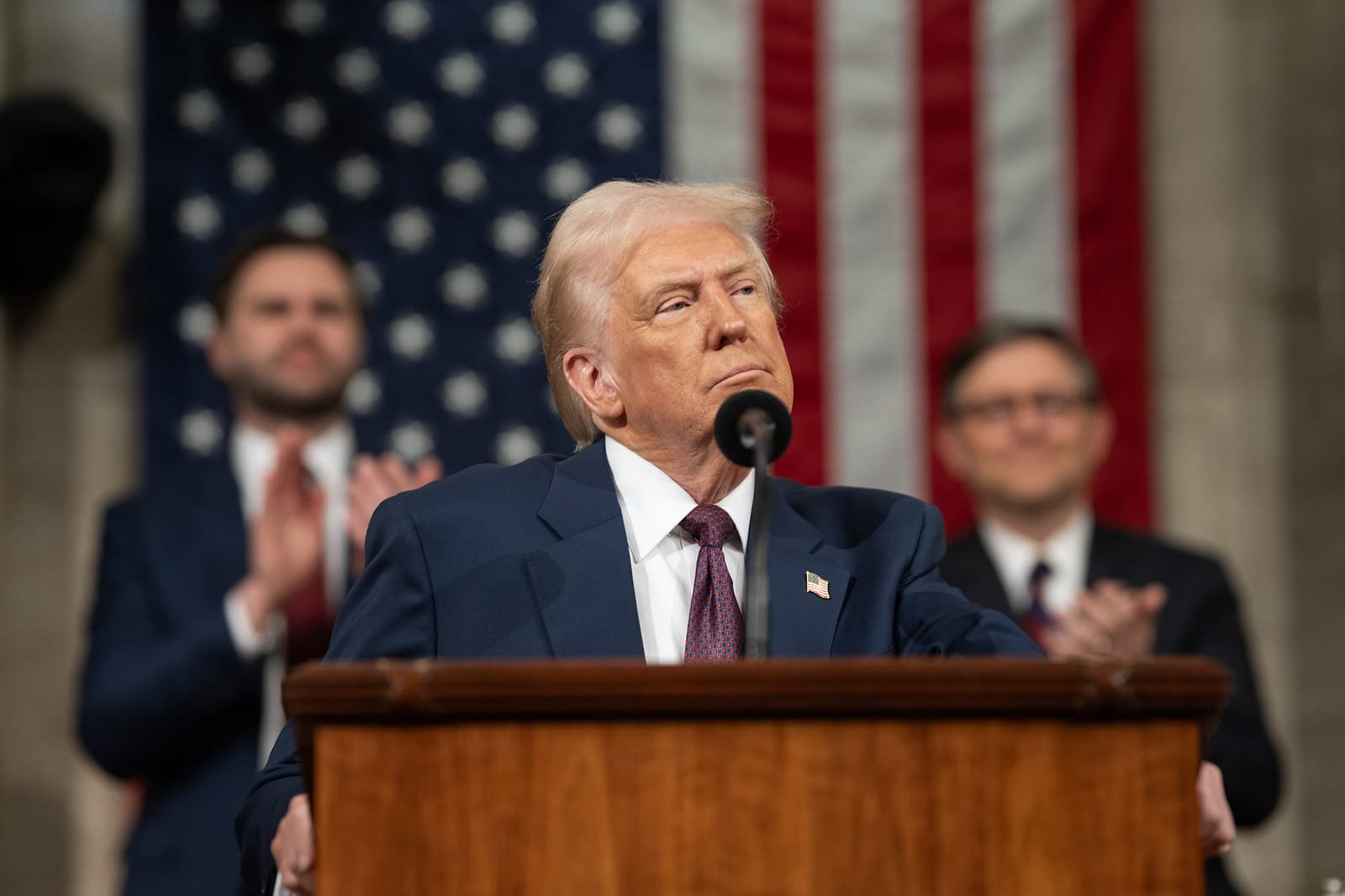
Requiring that a president conduct himself within the bounds of the law does not somehow “diminish the votes of the citizens who elected him.”
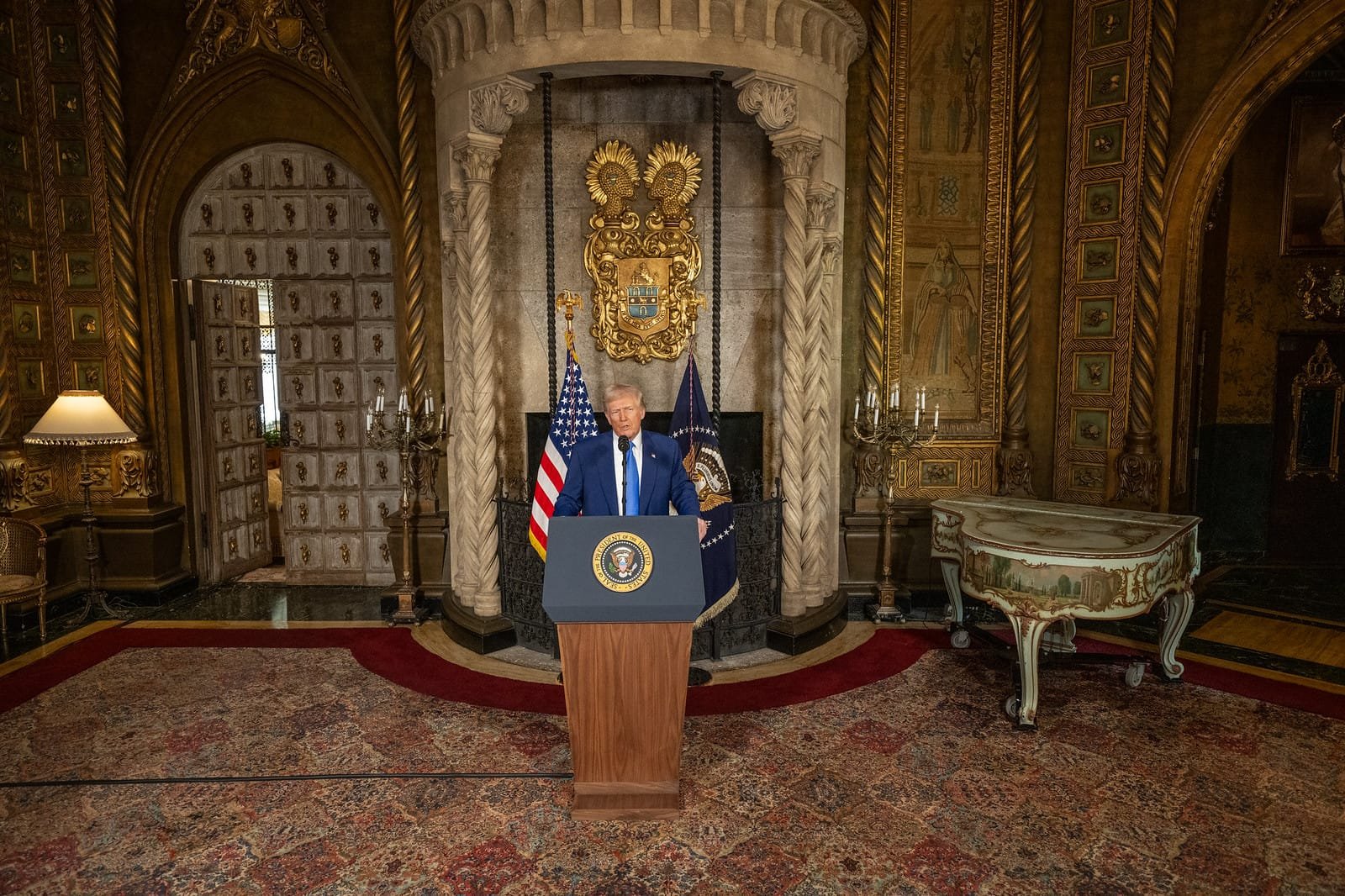
Would a determined executive ever fall back in the end on the core power asymmetry between the two branches—it has guns, and the judges don’t?

Not a day goes by when the New York Times does not manufacture some maudlin defense of the put-upon minions of the tax-funded managerial class. In this worldview, the agencies are always right, whereas any elected or appointed person seeking to rein them in or terminate them is attacking the “public interest.”

Had one of the individuals at the Constitutional Convention said, “Should we write in a power for the government to lend money?” the reply from everyone else would have been “No.”

If the Supreme Court were to grant review, it would have to consider two issues: the first is whether this state-imposed fine and others like it are covered by the Eighth Amendment; if so, the second issue would be whether the fine of $464 million is excessive.

Trump’s opponents believe that the reelection of President Trump would be more dangerous than compromising his constitutional rights. That is a shortsighted view that endangers future generations of Americans.

John Locke’s view reflects the fact that a government that has nothing of its own to give, but can only give what it takes from others, means it cannot “give” to some without involuntarily violating the general welfare of others.

Interpreting this post-Civil War amendment as a general provision for disqualifying candidates who some people may believe participated in what they regard as an insurrection or rebellion—as distinguished from a protest or even a riot—would create yet another divisive weapon in our increasingly partisan war.

The Biden Administration’s 2023 budget bill proposing a “billionaire tax,” imposing a 25-percent minimum rate on the “unrealized capital gains” of the wealthiest Americans is unconstitutional.

The gradual rise of the 4th branch of government (the administrative “deep state” bureaucracy) which is very much the most powerful branch – has reduced the American political process to mere theater as compared with the real activity of government, which rests with the permanent bureaucracy.

Justice Gorsuch rules against the dictatorship by the administrative state, in favor of the system established by the Constitution’s framers.

While one political group may not benefit from the filibuster on a current issue, they may find it very valuable protection in the future. Senator Warren be warned: You may not like the consequences of your campaign.
Professor Brian Simpson answers arguments against using Ayn Rand’s philosophy Objectivism as the basis for improving the Declaration of Independence and the U.S. Constitution.
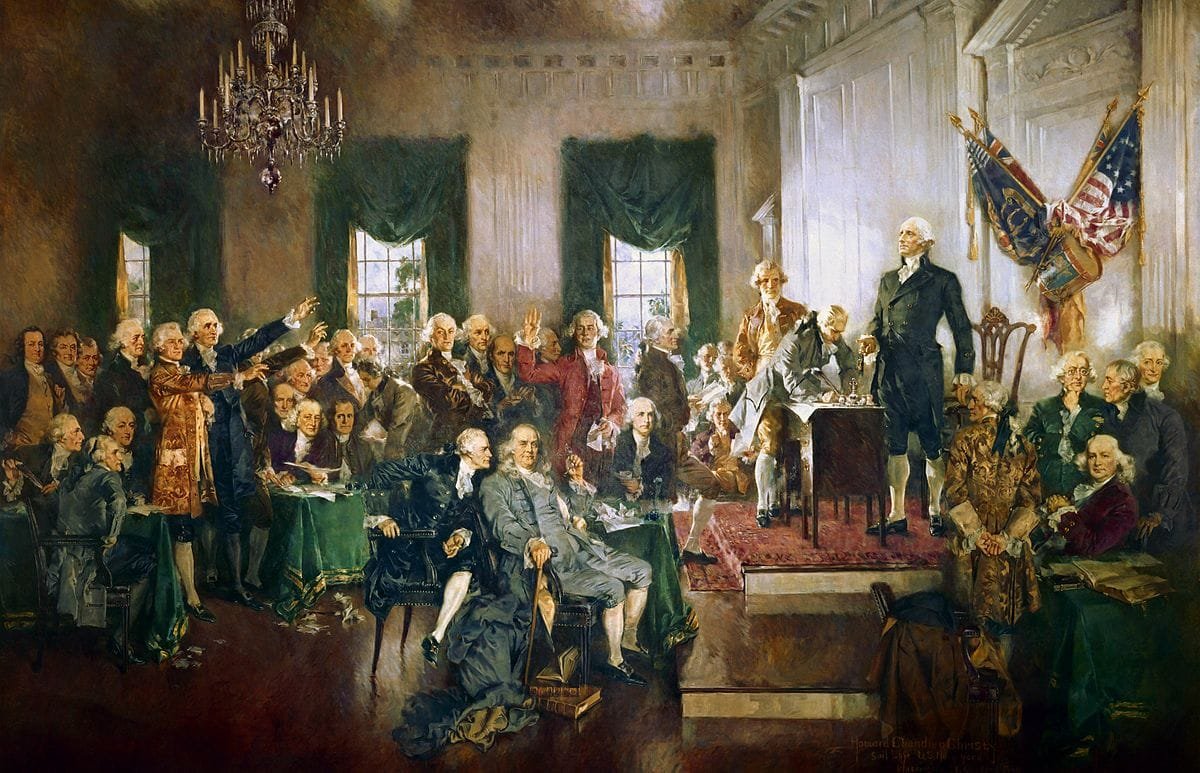
“A Declaration and Constitution for a Free Society” modifies the Declaration of Independence and the U.S. Constitution to make them fully consistent with the protection of individual rights and freedom, using Objectivism—the philosophy of Ayn Rand. It demonstrates why a free society is morally, politically, and economically beneficial to human life.
This Constitution Day, thank the Founders for stimulating ingenuity by applying “the fuel of interest to the fire of genius.” And while you’re at it, thank an inventor.
Both Founding Era sources and 19th-century court decisions, official statements, and commentaries confirm that intellectual property rights are property as a matter of basic legal doctrine and constitutional principle.
Making the Declaration of Independence and U.S. Constitution Fully Consistent with the Protection of Individual Rights.

Populism is what happens when a republic becomes a democracy, and politicians must curry the favor of voters in order to win office.

Politicians rush to limit our choices in the name of “keeping us safe.”

The government has no power to keep consumers in the dark—or to prohibit the use of terms that consumers understand—in order to protect special interests from honest competition.

Republicans must join with Democrats to end Trump’s tariff authority. They should repeal these “emergency” laws that allow the president to unilaterally impose new taxes on Americans, in defiance of the intent of the framers of the Constitution.

Our Republican Constitution is an eye-opening self-defense for the rational American which offers historical enlightenment about America’s true origins.

The only remedy for Obamacare must be a legislative remedy, which is why we have elections.

The following are some statements by the Founding Fathers. You tell me which one of them suggests that they gave us the Second Amendment for deer and duck hunting and protection against criminals.

Some Americans, right and left, give up on the Constitution whenever it gets in the way of policies they like.