History

The Most Important Thing the Founders Built Wasn’t the Constitution

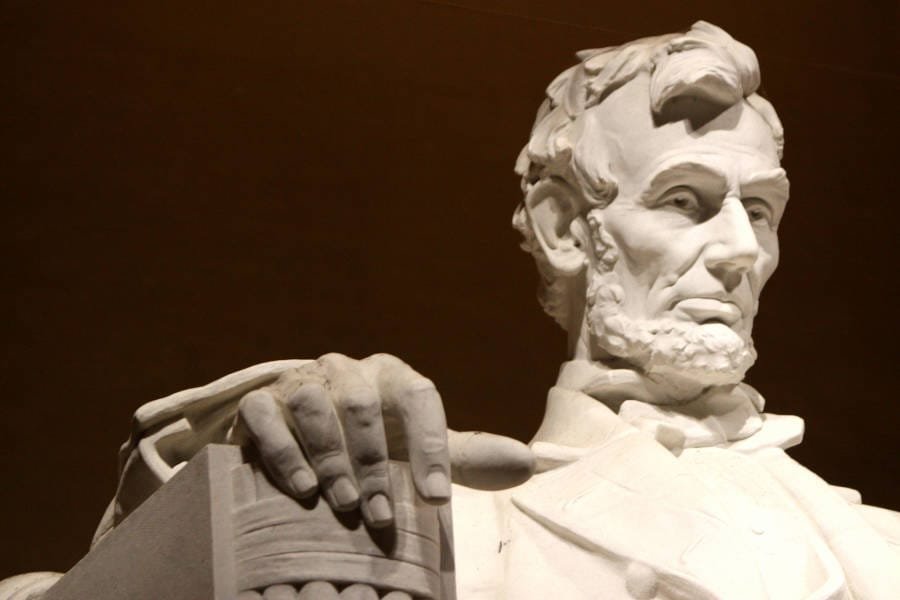
Their deepest fear was an ignorant citizenry—a public that could be handed liberty and squander it because they lacked the mental tools to defend it. The Founders understood something that gets lost in the monument-and-marble version of history: a republic is not a st…

Capitalism is Good in Theory and in Practice

Capitalism is Good in Theory and in Practice

Upon hearing an argument for capitalism, many respond, “That is good in theory, but it would never work in real life.” Such a statement is wrong in both theory and in practice. (And it is actually an example of a fundamental philosophical error–the mind/body...

The Pacific Railway Act and the Interstate Commerce Act

The Pacific Railway Act and the Interstate Commerce Act

In 1887, Congress created the first federal regulatory agency by enacting the Interstate Commerce Act. As has often been the case since that time, the act was a response to the problems created by previous government interventions. Under the Pacific Railway Act,...

Visiting Nixon’s Birthplace

Visiting Nixon’s Birthplace

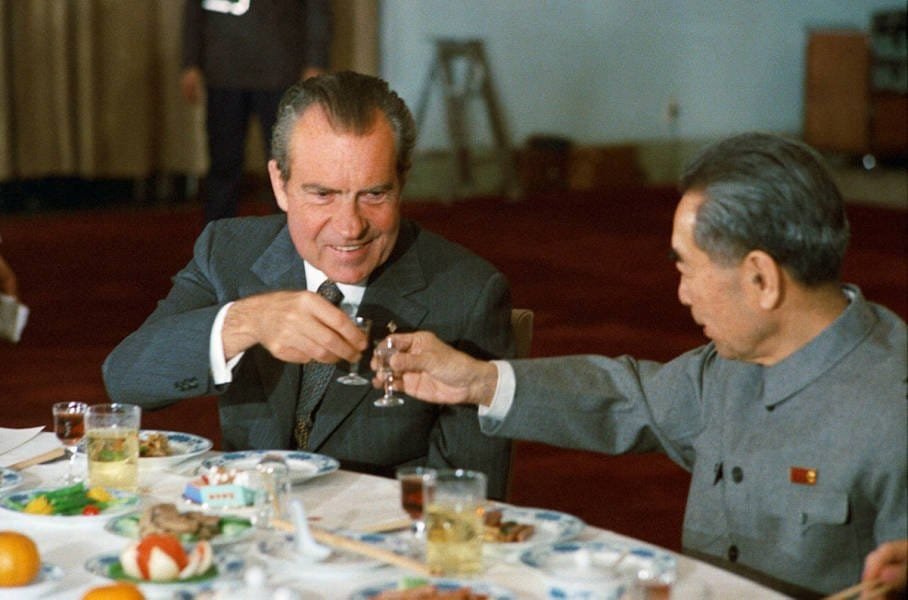
“I was born in a house my father built.” So said Richard Nixon (1913-1994) about his birthplace in Orange County, California. A recent visit to the home, located on the grounds of the Richard Nixon Presidential Library and Museum, and museum (which opened in 1990 with...

Manifest Destiny

Manifest Destiny

In 1839, John O’Sullivan, editor of The United States Magazine and Democratic Review, wrote a piece titled “The Great Nation of Futurity” in which he argued that the United States had a divine destiny to occupy the American continent from the Atlantic to the Pacific....

Remembering the 1992 Los Angeles Riots

Remembering the 1992 Los Angeles Riots

Seeing Reginald Denny being assaulted and mutilated for the color of his skin on live television provided an unforgettable lesson in the politics of race-baiting: that jumping to conclusions may impair government from protecting the public and instead incur looting and …

The Pacific Railway Act and the Interstate Commerce Act

The Pacific Railway Act and the Interstate Commerce Act

In 1887, Congress created the first federal regulatory agency by enacting the Interstate Commerce Act. As has often been the case since that time, the act was a response to the problems created by previous government interventions. Under the Pacific Railway Act,...

The Truth About President Kennedy

The Truth About President Kennedy

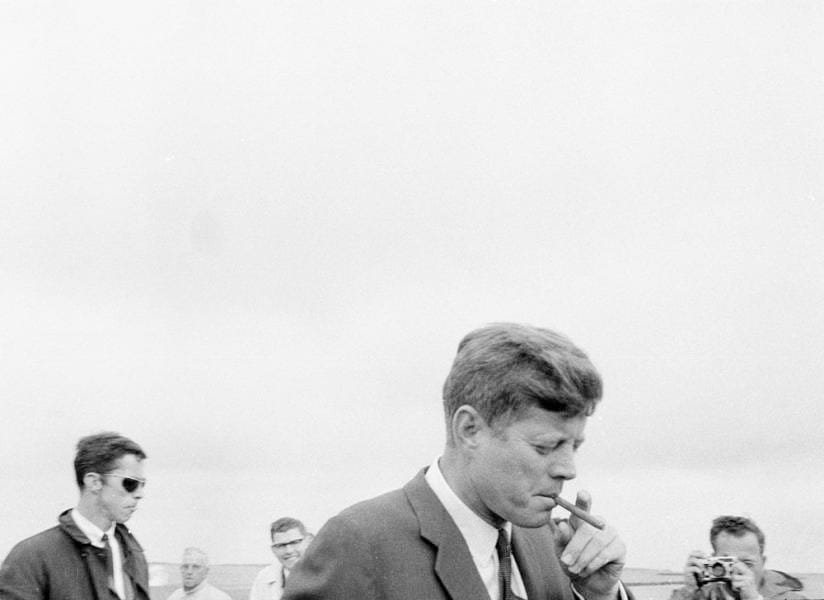
“I’d rather my children red than dead,” President Kennedy told a young White House virgin whom he had summoned for sex, during the so-called Cuban missile crisis, according to the New York Post ‘s account of a new book, Once Upon a Secret: My Affair with President...

Part III: The Bumpy Road to Individualism – Conclusion

By the end of the Italian Renaissance the battle remained horrifically one-sided. Collectivism is the political expression of altruism, i.e., that each man should live for others. Altruism is a known and widely accepted moral code. It has been the foundation of the...

Part II: The Bumpy Road toward Individualism

Individualism began as a doctrine implicit in the Ancient Greek view of man, best captured in their art and in Aristotelian philosophy. That view consisted essentially of reality being knowable and the base of all knowledge, and of man as a heroic being. Such a view...

Part I: The Bumpy Road To Individualism

With the rise of the ancient cultures of Mesopotamia and Egypt (between c. 5000 and 4000 BCE), men’s social groupings expanded. Previously, the social groupings of prehistoric man had slowly developed from family to clan to tribe. The advent of the Neolithic...

Riots in France: The Barbarians at the Gates of Paris

Riots in France: The Barbarians at the Gates of Paris

Riots that began on the outskirts of Paris have spread into the center of the French capital and to other communities in other parts of the country. Thousands of cars have been set on fire and the police and even medical personnel have been shot at. Like many other...

Columbus Day: The Cure for 9/11

Columbus Day: The Cure for 9/11

On Columbus Day, in sum, we celebrate Western civilization with the utter certainty that it is good according to an objective standard: man’s life. America therefore deserves to prevail against the religious totalitarians who would destroy industrial civilization and re…

Christopher Columbus, We Salute You

Christopher Columbus, We Salute You

Most Columbus Days are marked by rabid condemnations of the explorer as a genocidal maniac bent on destroying the peaceful and innocent native peoples who populated the Caribbean islands which Columbus discovered. These condemnations are not only unwarranted but...

Who Whipped Communism?

Who Whipped Communism?

Soviet President Brezhnev, one of the last of the Soviet Communist dictators, hated the Catholic Church, according to conversations reported in The Wall Street Journal. Back during the Cold War Brezhnev is quoted as saying, “Sooner or later [the Church] would...

Remember Flight 93

Remember Flight 93

Flight 93 should be remembered for many reasons. Foremost is that it was the first victory in the War on Terrorism, though it came at a high price. The terrorists’ plan depended on the passenger’s common assumption that their temporary cooperation with...

The Reagan Legacy

The Reagan Legacy

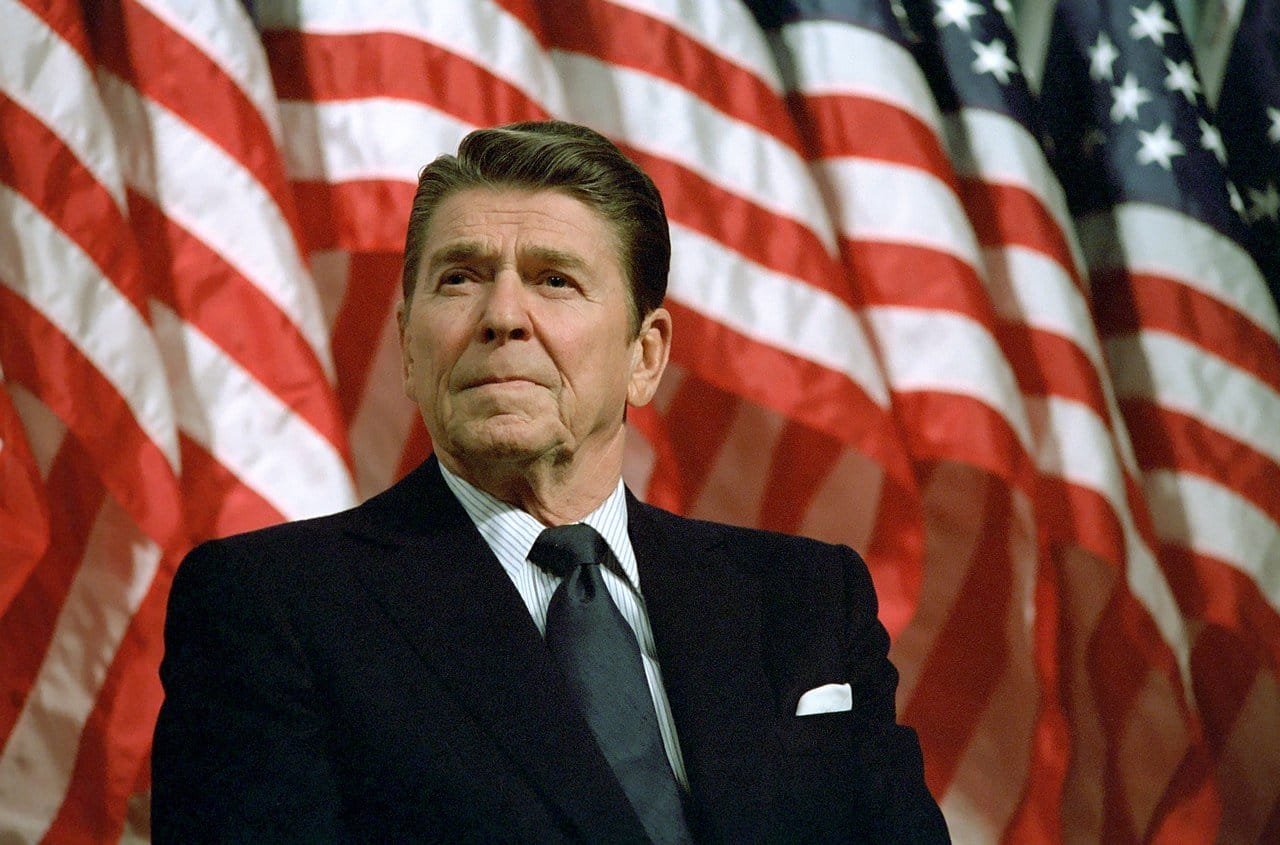
Ronald Reagan was one of our most successful Presidents in part because he fervently believed in, and acted on, a small number of important principles. To be sure, he knew how to compromise to advance his legislative agenda. But in the process he always kept sight of hi…

What We Should Remember on Martin Luther King Day

What We Should Remember on Martin Luther King Day

What should we remember on Martin Luther King Day? In his “I Have a Dream” speech Dr. King said: “I have a dream that my four children will one day live in a nation where they will not be judged by the color of their skin but by the content of their character.”

No spam. Unsubscribe anytime.

Pin It on Pinterest