If they take one direction, it is only because they have been diverted from another.


If they take one direction, it is only because they have been diverted from another.

It is nonsense to say that the Government officer will spend these hundred sous to the great profit of national labour; the thief would do the same; and so would James B., if he had not been stopped on the road by the extra-legal parasite, nor by the lawful sponger.

Keynesian Economics has continued to dominate and hold sway over the way the vast majority of economists think about and analyze the nature of economy-wide fluctuations in employment and output.
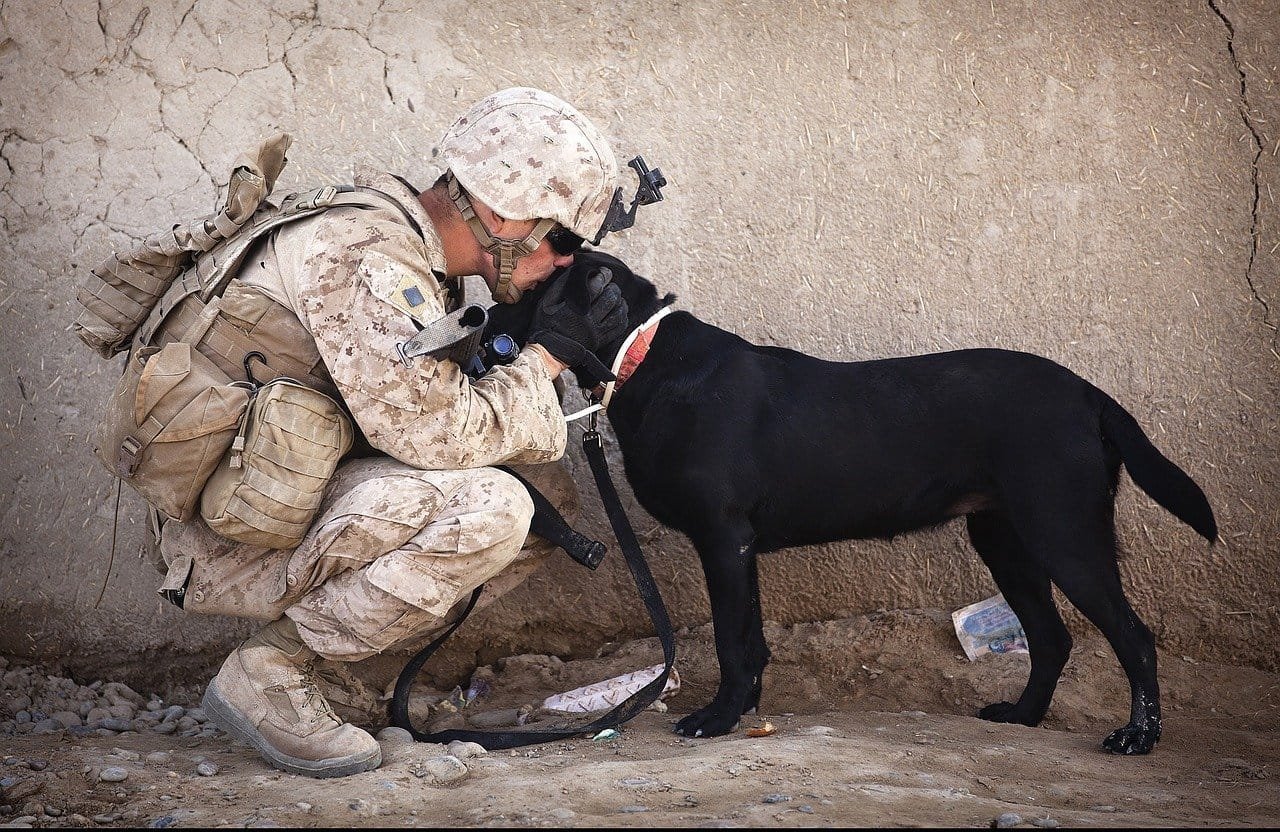
You do not see that to dismiss a hundred thousand soldiers is not to do away with a million of money, but to return it to the tax-payers.

What would become of the glass makers, if nobody ever broke windows?

Trump is a classic mercantilist. A mercantilist favors exporters over importers and the use of government tariffs to promote (or “protect”) less efficient, but politically favored “national champion” companies against their foreign competitors.

The 1933-37 recovery fell far short of reversing the collapse the U.S. economy suffered between 1929 and 1933, and that this disappointing outcome was the result of New Deal policies aimed at boosting wage rates. The resulting higher wage rates prevented the revival of …

The key to getting wealthy in a capitalistic society is to produce something so valuable that millions of people want to trade for it. This is the source of all great historical fortunes.

The causes of the gold inflow that fueled the post-1933 recovery, and especially the part played by FDR’s decision to devalue the dollar.

During the opening days of March, 1933, the U.S. economy resembled a stricken body slowly bleeding out, its organs failing one by one. The Federal Reserve System was hemorrhaging gold, and entire state banking systems were shutting down one after another. I

To understand how the world’s largest economy ended up shutting-down its entire banking system, one must first be aware of a long-standing defect of that system and of how it led, first to the proliferation of small and under-diversified banks, and then to as many bank …
If ever an administration had control over Fed policy, and monetary policy more generally, FDR’s was it. It follows that, if monetary policy did less than it should have to end the Great Depression, the Roosevelt administration must bear a good share of the blame.
Although almost everyone assumes that fiscal stimulus played a big part in bringing the Great Depression to an end, the truth is that its contribution was insignificant.
The New Deal wasn’t a grand scheme at all, but an assemblage of steps and programs, many of which were decided upon or concocted only after Roosevelt took office.
I hope to introduce my readers to evidence casting doubt on the view that New Deal programs ended, or mostly ended, the Great Depression.
When I say “the New Deal,” I mean the “series of programs, public work projects, financial reforms, and regulations enacted by President Franklin D. Roosevelt in the United States between 1933 and 1939.”
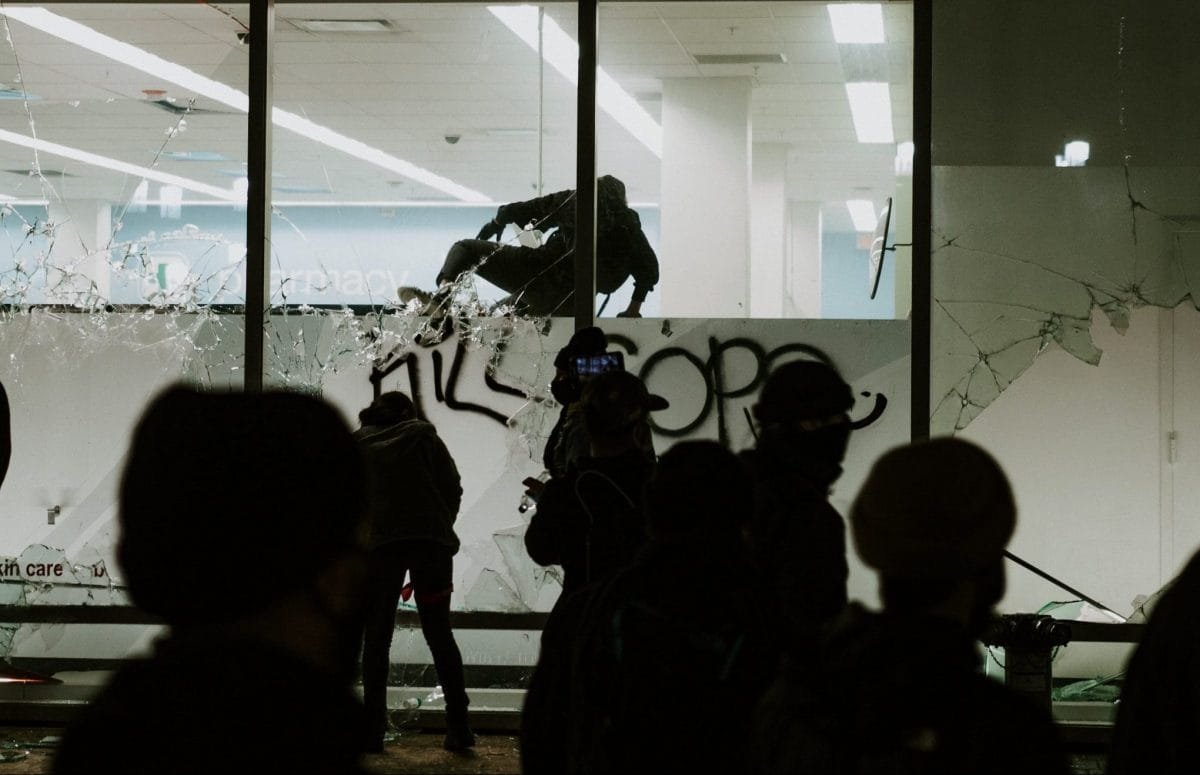
Although the ideas behind the attacks on business are often not explicitly labeled as Marxist, that is what they are.

The vast majority of Amazonian deforestation happens on land directly controlled by Brazilian states or the federal government.

The impending takedown of TikTok sets a dangerous precedent. It marks a serious diminution of the rule of law and a major step-up in the authoritarian use of power by our executive branch.
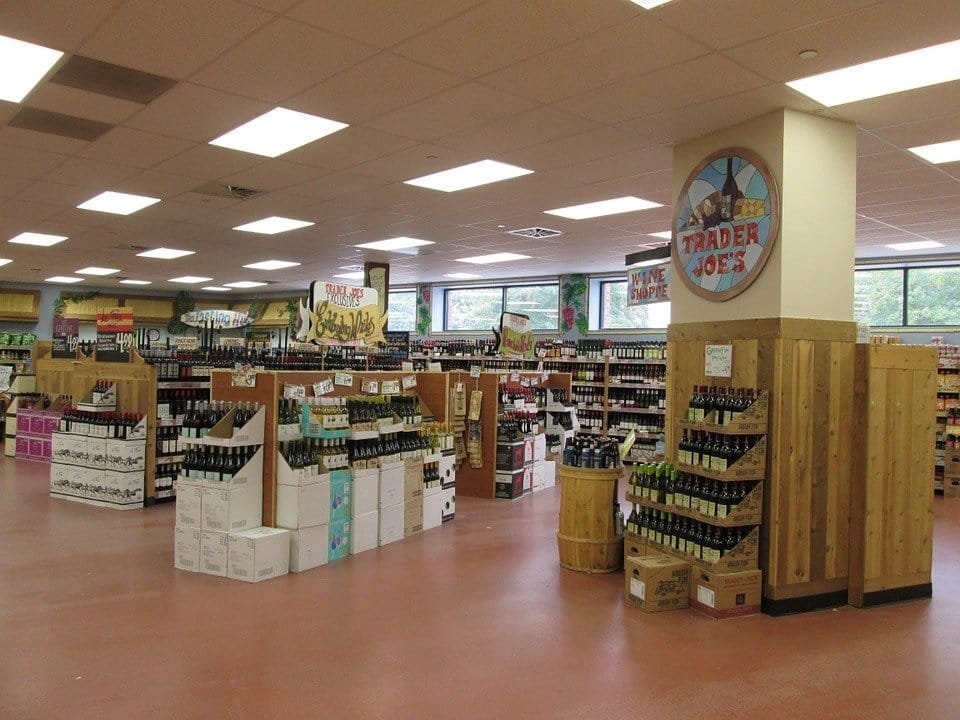
By rejecting unfounded accusations and standing by its products and their marketing, Trader Joe’s (and indirectly, its customers) displayed all of them—and therefore has earned the designation as a corporate hero.
America’s disastrous history with central banking makes the case for why paper money and central banking are what should be challenged.
Business—and the rest of us—cannot afford to conform to social pressure but must find the courage to speak up and defend freedom.

In the absence of government regulation and monopoly control, a free monetary and banking system would exist; it would not have to be created, designed, or supported. A market-based system would naturally emerge, take form, and develop out of the prior system of monetar…

Anti-price gouging laws are not only unjust, but to the extent they cause shortages in emergencies they also deprive people of things they need badly and would be willing to pay more for.

The tales of MySpace, AOL and Yahoo’s fall from glory shows how spectacularly wrong tech analysts can be, and how complex the machinations of a market economy are.

There is no “paradox” to increased savings and its underutilization for investment and employment purposes, when governments have barred the doors to the factory entrance and the shopkeeper’s counter.

Why are the governments dictating when and how the economy can re-open?

Protectionism fully implemented across all industries would mean a lower standard of living, because it would result in capital and labor unnecessarily being diverted into the production of goods that could more economically be produced elsewhere.

“Saving lives” is inseparable from saving livelihoods.

A disturbing trend among true believers is to quip that “Bitcoin fixes this,” almost regardless of what the problem may be.

The COVID-19 pandemic may help by bringing a clearer understanding why business needs a moral defense from its leaders and that such defense must be based on the principle of individual rights.

The inescapable conclusion of the Mises-Hayek argument about socialist calculation is that an efficient socialist society cannot be designed.
Latest pro-Capitalism goodness sent weekly to your email box.
No spam. Unsubscribe anytime.