I for one would be devastated if my cordless Dyson was never given the chance, and I wonder what other innovations or advancements may now be lost thanks to a true monopoly obstructing competition in the marketplace – the FTC.


Intellectual freedom cannot exist without political freedom; political freedom cannot exist without economic freedom; a free mind and a free market are corollaries. – AYN RAND
I for one would be devastated if my cordless Dyson was never given the chance, and I wonder what other innovations or advancements may now be lost thanks to a true monopoly obstructing competition in the marketplace – the FTC.

Consumers will choose the best options, or only options, according to their interests and perceptions of value – and companies can either cater to existing needs and wants or create new ones. That is why capitalism is such a beautiful thing, and why the only time monopoly concerns should arise is when government cronyism is involved.
On the growing coalition countering capitalism for the “common good.”

History provides very few actual examples of private firms that are unprotected by government-erected barriers to entry successfully colluding in ways that harm consumers.

The conventional tale of trade deficits fails so utterly to square with reality because tellers of this conventional tale never seriously bother to attempt to understand why foreigners are willing, decade after decade, to send to America more goods and services than they receive in return from America.

Describing as “favorable” a situation in which the people of the home country ship many real goods and services to foreigners and receive in exchange lesser amounts of real goods and services, with the difference made up in money, is indeed – as Adam Smith called it – absurd.
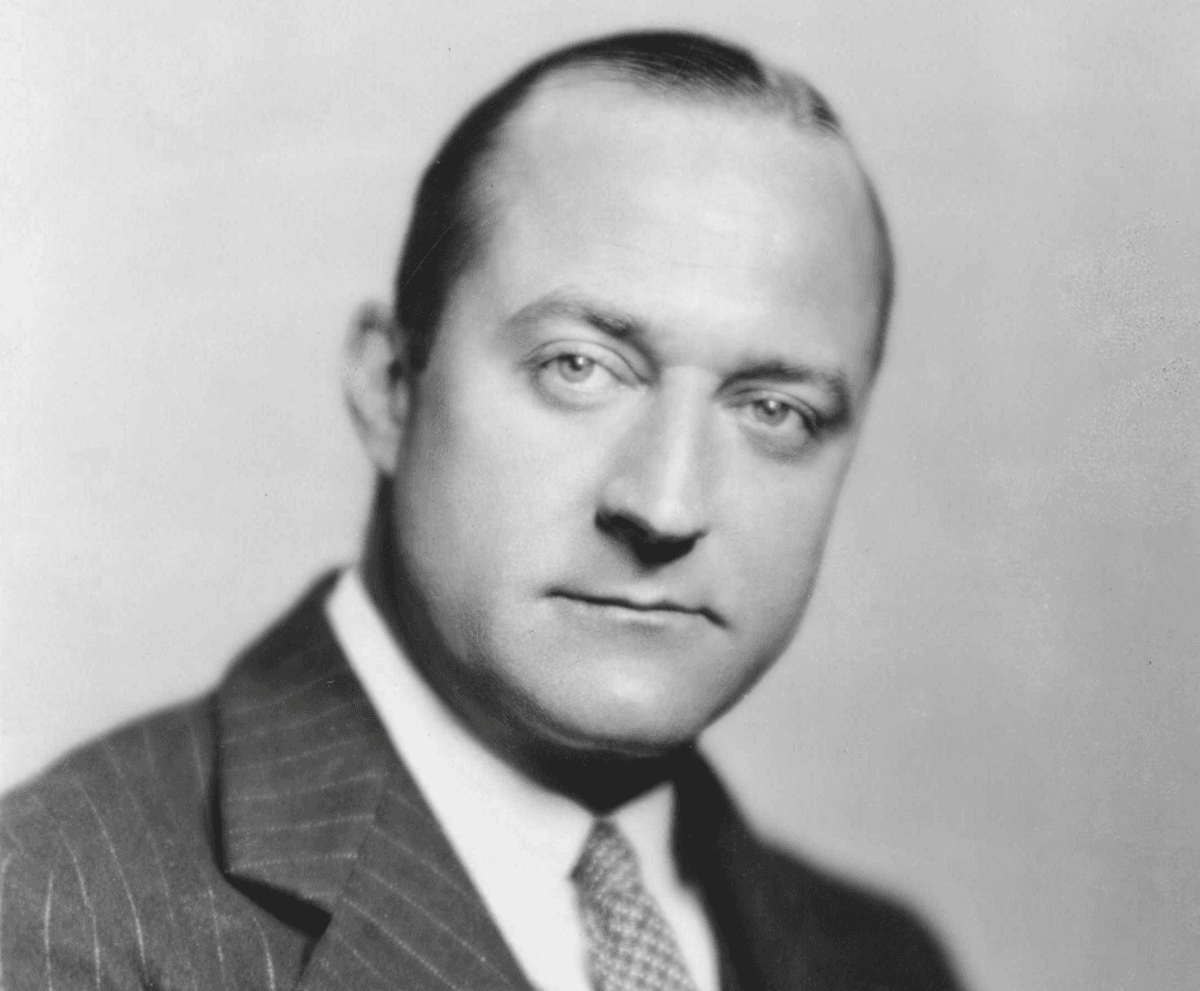
Herny Hazlitt was a popularizer of sound economic thinking, a critic of John Maynard Keynes, and a contributor to ethical moral philosophy. Not bad for a poor fatherless boy and college dropout.

Since the late 1960s US yield-curve inversions have predicted all eight US recessions, beginning roughly a year in advance.

Economics proves the existence of a harmony of the rational self-interests of all participants in the economic system—a harmony which permeates the institutions of private ownership of the means of production, economic inequality, and economic competition.

Did you work to make or take advantage of your own luck?

Capitalism is denounced as “an anarchy of production,” a chaos ruled by “exploiters,” “robber barons,” and “profiteers,” who “coldly,” “calculatingly,” “heartlessly,” and “greedily” consume the efforts and destroy the lives of the broad masses of average, innocent people.

The proper, moral attitude toward great achievers, those who have merit, is admiration.
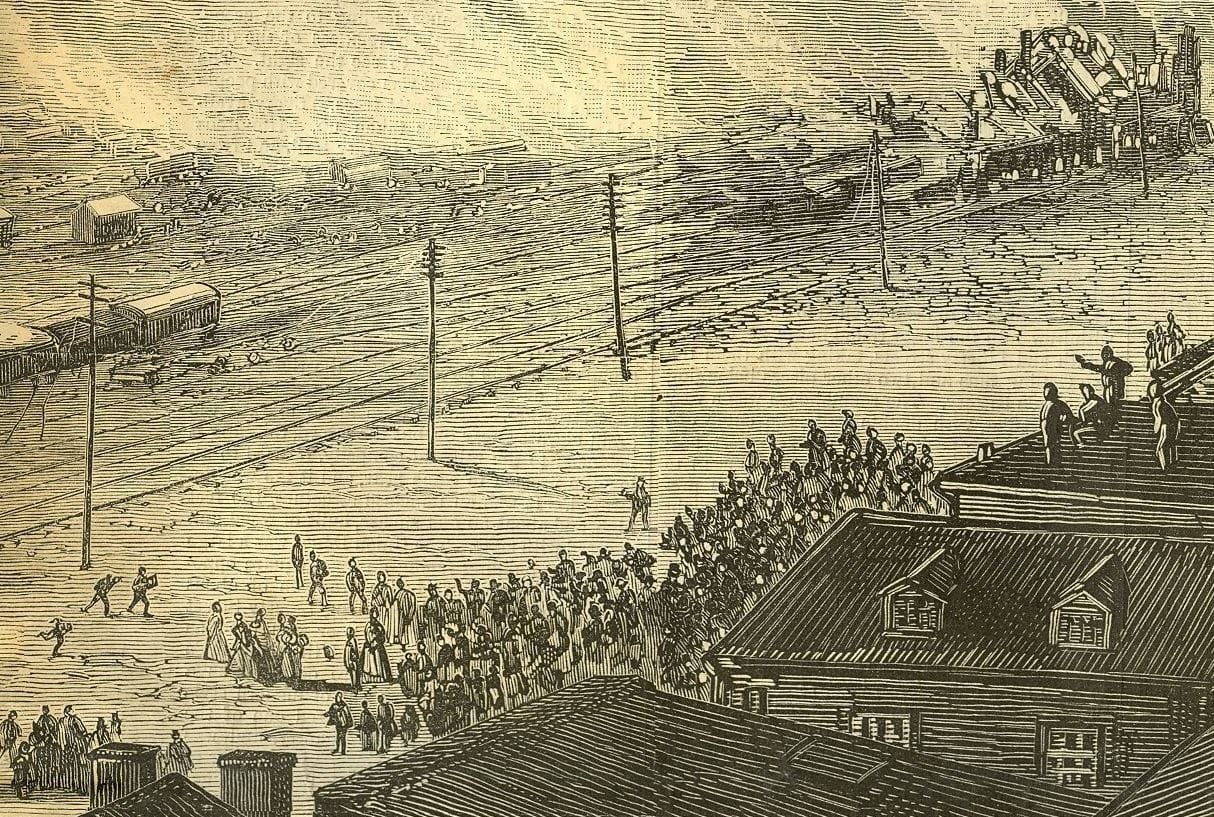
Taxpayers will have to pay more for state construction due to the reinstatement of prevailing wage and workers will be compelled to pay for union representation they don’t want due to the repeal of Right to Work statutes.

The FTC is placing itself as the primary arbiter when it comes to business transactions, and it is conveying that it can predict what the future holds for innovations and acquisitions. This creates an environment of not only great uncertainty for business, especially now that previous transactions may be revisited and reconsidered, but also great risk for the competitiveness of US firms.

The problem economically with socialism is not calculation of given data, but the generation of the data that would be required, but does not yet exist.

The company was openly insulting its consumer base, describing Bud Light as a “fratty” beer and “out of touch” brand “in decline.” It’s one thing to disregard your boss. It’s another thing to openly insult her.

All too often, unscrupulous businesses weaponize the United States’ antitrust laws — which are only supposed to be utilized to protect consumers against higher prices and other consequences of monopoly power — for their own self-serving purposes.

The cause of The Anarchist’s struggle for survival and impending demise is its anti-capitalist business model, rooted in the proprietor’s Marxist strawman-view of capitalism.
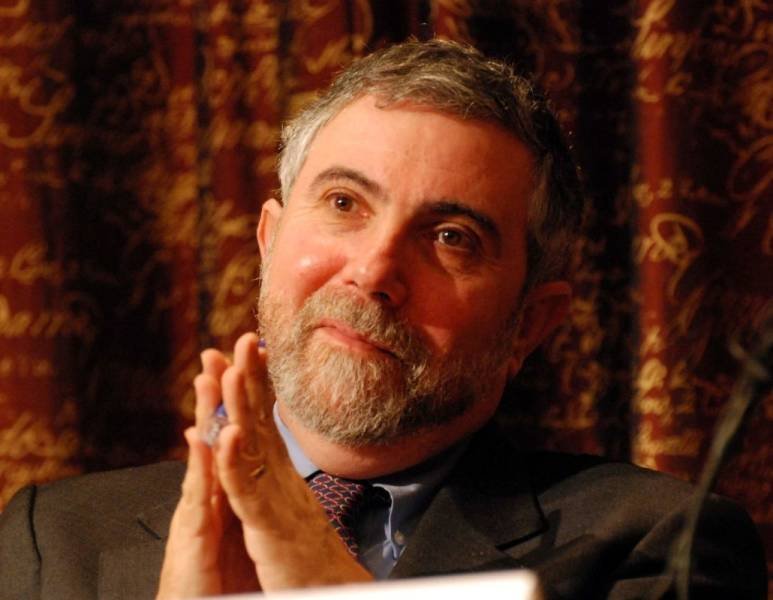
The trillion-dollar coin is simply FedGov borrowing $1 trillion from us.
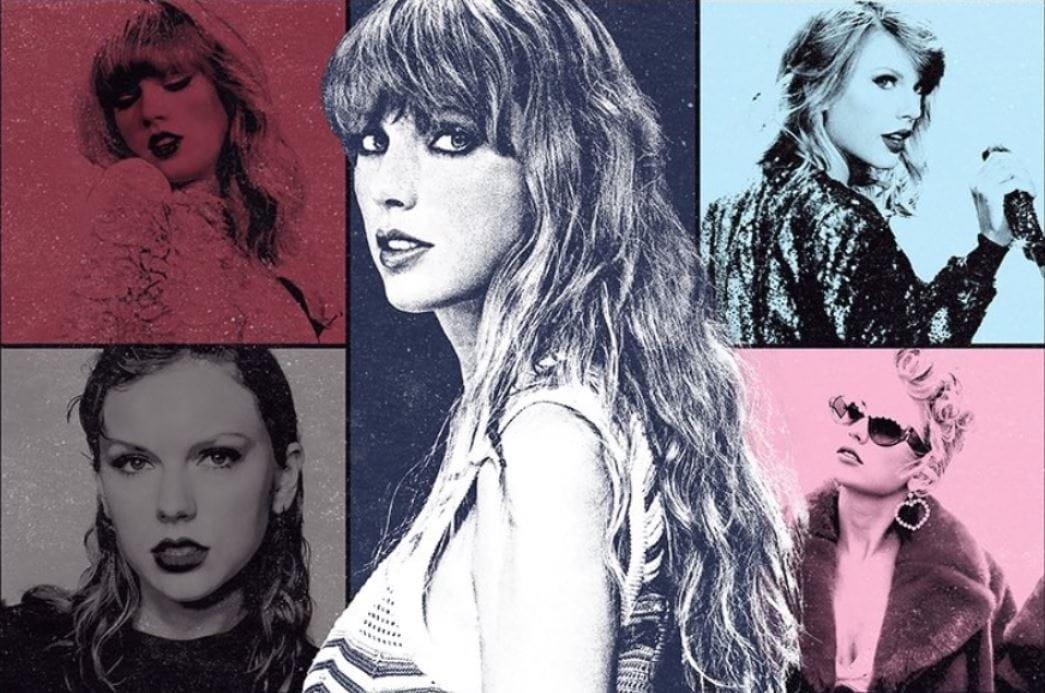
In a true capitalist system or free market, there would be no antitrust laws.

Far from ordinary Americans being crushed in the last few decades by globalization and the entrepreneurial dynamism ordinary Americans’ economic opportunities have expanded and their standard of living has skyrocketed.

National conservatives believe that the allocation of resources brought about by the free market is in fact a less-efficient allocation — one that is worse for the country — than is the allocation that would be brought about by their industrial policy.

We observe a run on deposits in a commercial bank, then observe that the same thing can happen to other financial institutions, then mistakenly assume these institutions are essentially the same.

So, whether it’s Lina Khan at the FTC or Sens. Amy Klobuchar and Elizabeth Warren in Congress, antitrust advocates should take a hard look in the mirror. The only true monopoly within the US marketplace is where these politicians are fulfilling their posts.

Since government regulatory practice has gone beyond making loans to illiquid-but-solvent banks, to paying back all the deposits of insolvent banks, the result is that there is no reason for depositors to care about whether their bank is taking excessive risks.

If you care about the people struggling to keep their jobs in a difficult economy, you should oppose raising the minimum wage: it hurts the very people you want to help

Trade allows each of us to turn our unique talents into the fruits of the talents of everyone with whom we trade.
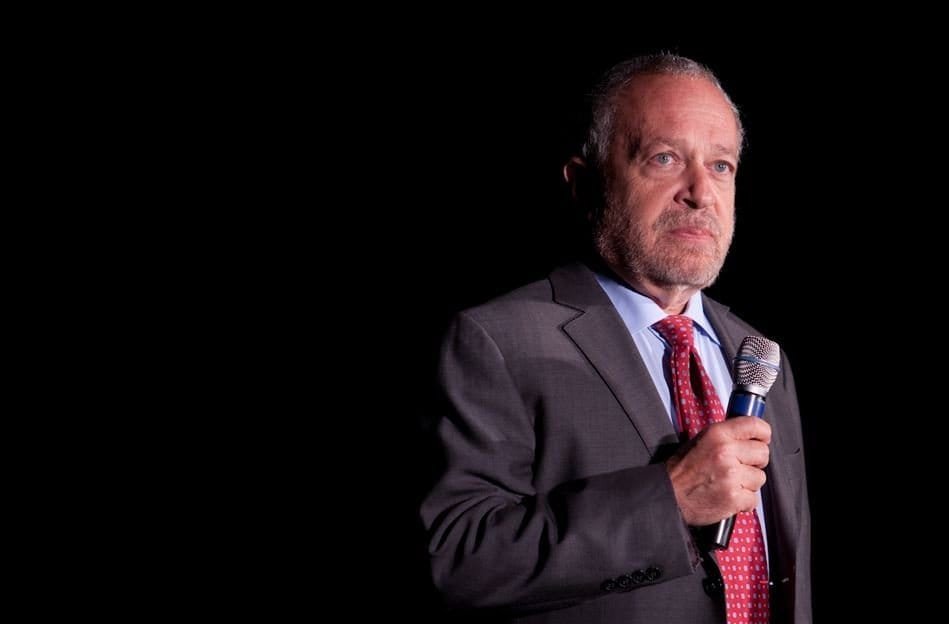
What Robert Reich Gets Wrong about the Kroger-Albertson Merger and What He Misses Completely

While Hamilton, who died in a duel in 1804, did indulge protectionist arguments during his stint as Secretary of the Treasury, the rebranding of Jefferson and Madison as American System enthusiasts runs directly contrary to historical evidence.
Unions must go about their objectives of trying to organize workers without committing acts of destruction.

The owners of private roads, those few in the know knew, would provide better roads at lower cost than Leviathan ever could.

What unseen effects did the “small present good” of a $558 billion highway network mask?