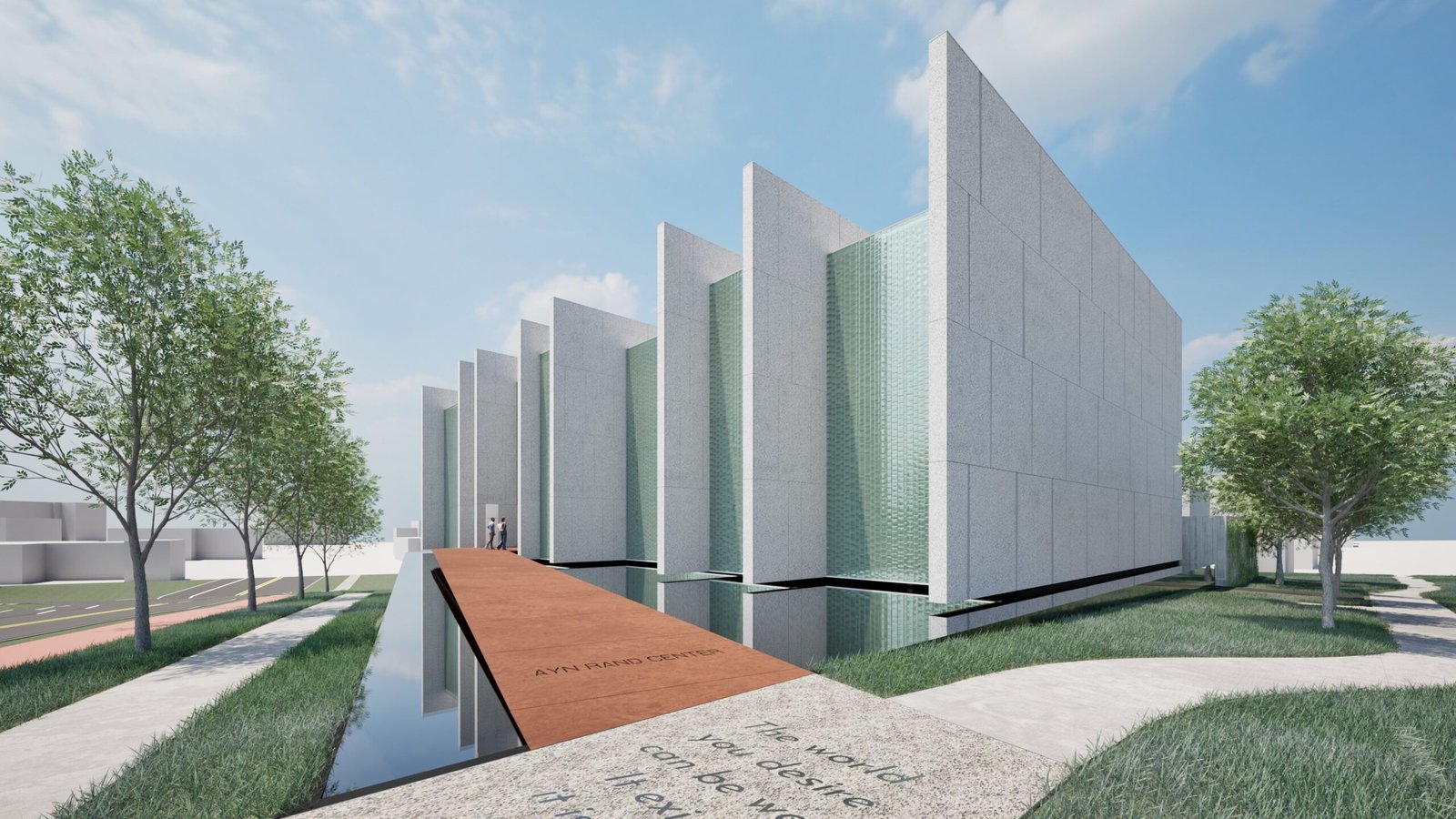
Back in the summer of 2018, at a meeting of the Ayn Rand Institute’s board of directors, I proposed that the time had come for something ambitious: a permanent home for the Institute, and with it a memorial, a museum, and a physical tribute to our namesake.
A Tribute to American Philosopher Ayn Rand
The idea was received warmly and skeptically in equal measure. I was hardly the first to raise it. The objection was practical. Building something worthy of Ayn Rand’s legacy would cost thirty to fifty million dollars, and ARI, as a 501(c)(3), lives entirely on donations. We fought for our revenue targets every year, drawing from a concentrated group of supporters. Would a capital campaign of that size cannibalize the very base that funded our educational work?

My answer was that interest in Ayn Rand runs far wider than interest in the Ayn Rand Institute. In my time as CEO, I met person after person whose life had been changed by Atlas Shrugged or The Fountainhead and who had no idea an organization bearing her name existed. Businessmen quoted her happily, unaware we were here. Scholars studied her for her literary and historical weight alone. The cultural awareness of Ayn Rand dwarfed the awareness of our programs. Before the meeting adjourned, I volunteered to test that claim myself, by telephone.
At lunch immediately afterward, a fellow board member who develops real estate could barely stay in his seat. He was certain his partner would feel the same, and both were prepared to commit serious time and money. I left encouraged. Surely these were not the only two businessmen in the world willing to step forward.
A “Virtuous Echo Chamber”
I called forty people: donors, former staff, intellectuals in our orbit. On the merits of the project, the enthusiasm was universal. On whether the money could be raised, most said yes. On whether they personally would dig deeper, some said yes and others said they wished they could but not now. Strong support, in other words, and an unresolved funding question.
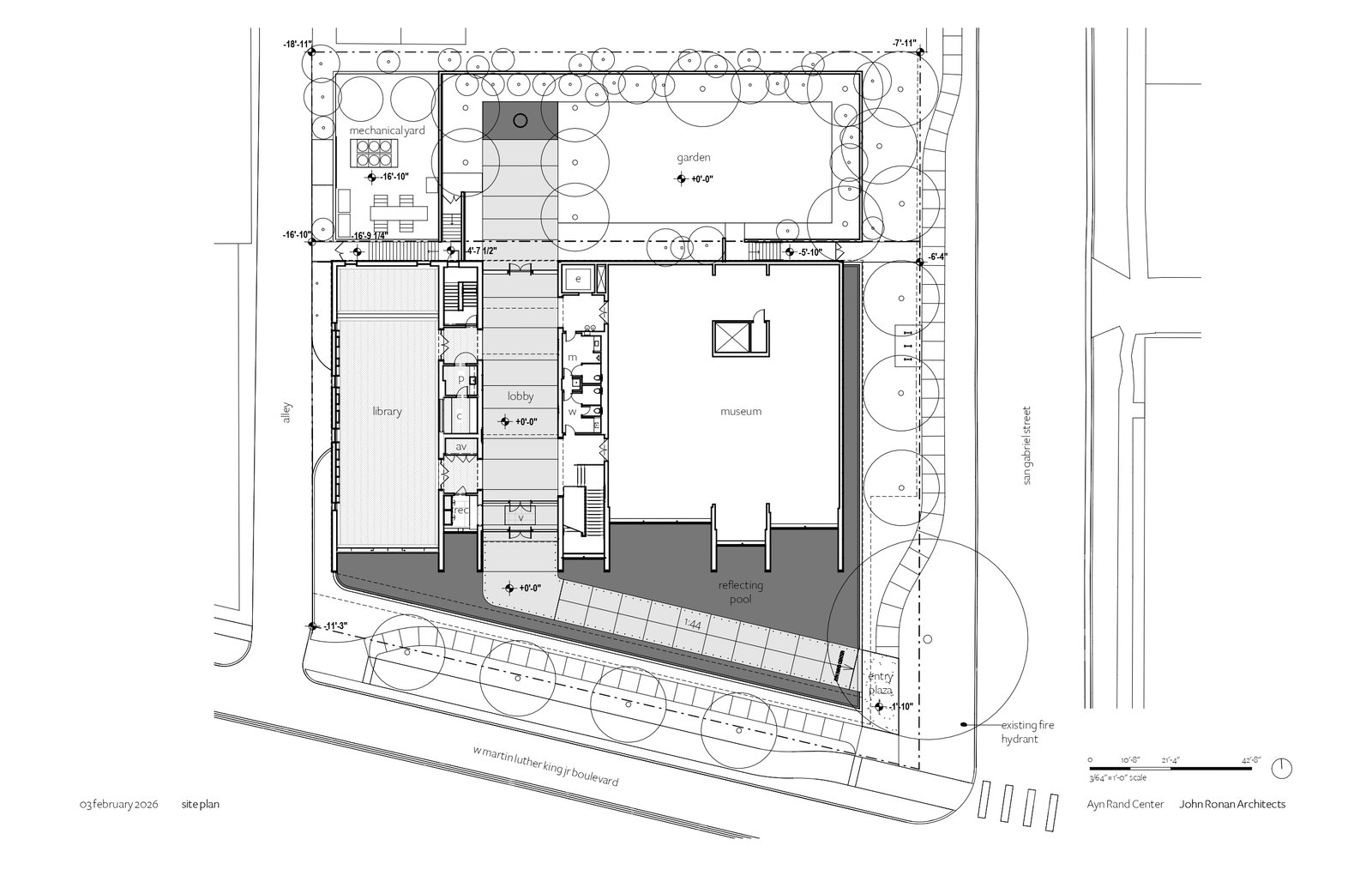
It was enough. ARI formed a steering group to work through location, scope, and design. But the money remained the mountain, and how one man climbed it is a story worth telling.
The initial strategy was to land a few whales. Secure ten million of the thirty or forty needed, the thinking went, and a bandwagon would form. We worked that way for months. Progress came, but slowly, and doubts lingered.
I favored a different approach: “go wide and go big,” all at once. Solicit the very wealthy and the modest donor in the same season. The logic was simple. Large pledges would inspire small donors by their scale, and small donors would inspire large ones by their breadth. Each would amplify the other, creating a “virtuous echo chamber” that would reach critical mass.
In time, Tal Tsfany, ARI’s endlessly creative CEO, embraced the all-in strategy, and his tireless work solved the funding problem. Acting with complete confidence, he announced to the world that the project was underway and would proceed. The money started to come in. Today the Ayn Rand Center is well funded.
Tal Tsfany’s “Guiding and Directing Intelligence”
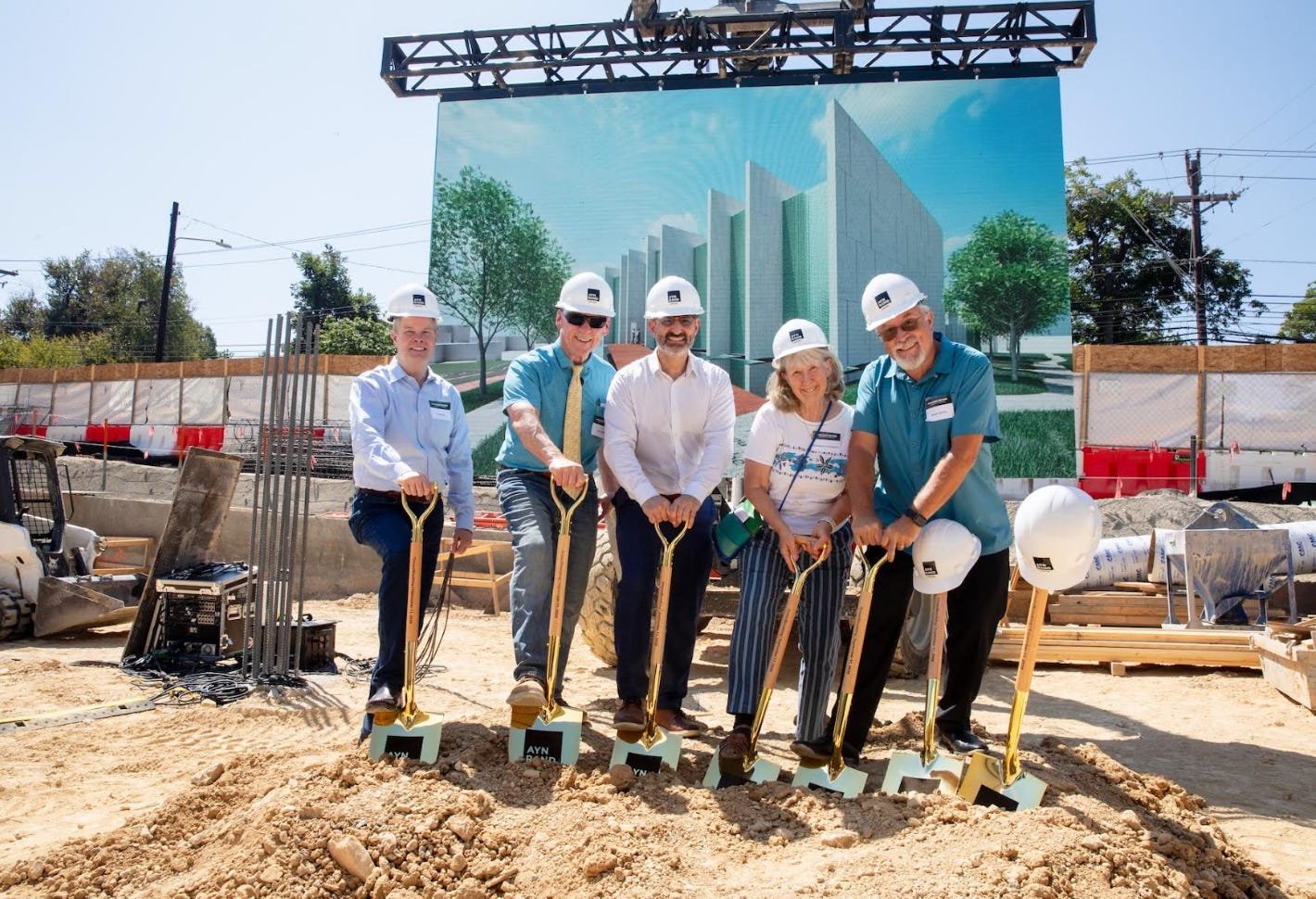
At the groundbreaking on September 11, Tal credited many people, myself among them, but he gave himself far too little credit. I say that not out of modesty, but out of a sense of justice.
We have all learned to say that any large achievement is a team effort, and in the obvious sense it is. Dozens of people have done indispensable work on this project, and Tal is quick to name them. But George Reisman, in Capitalism, identifies what that language obscures. Thousands of talented engineers built the rockets that land themselves and the cars that made electric vehicles desirable. Not one of those companies exists without Elon Musk. He supplied what Reisman calls the “guiding and directing intelligence” — the mind that conceived the end, chose the means, and held the course when everyone said it could not be done.
The others contributed skill. Tal contributed the enterprise, including:
- The drive to press on when the fundraising looked likely to fall short.
- The leadership to pivot when regulatory, bureaucratic, or financial obstacles appeared.
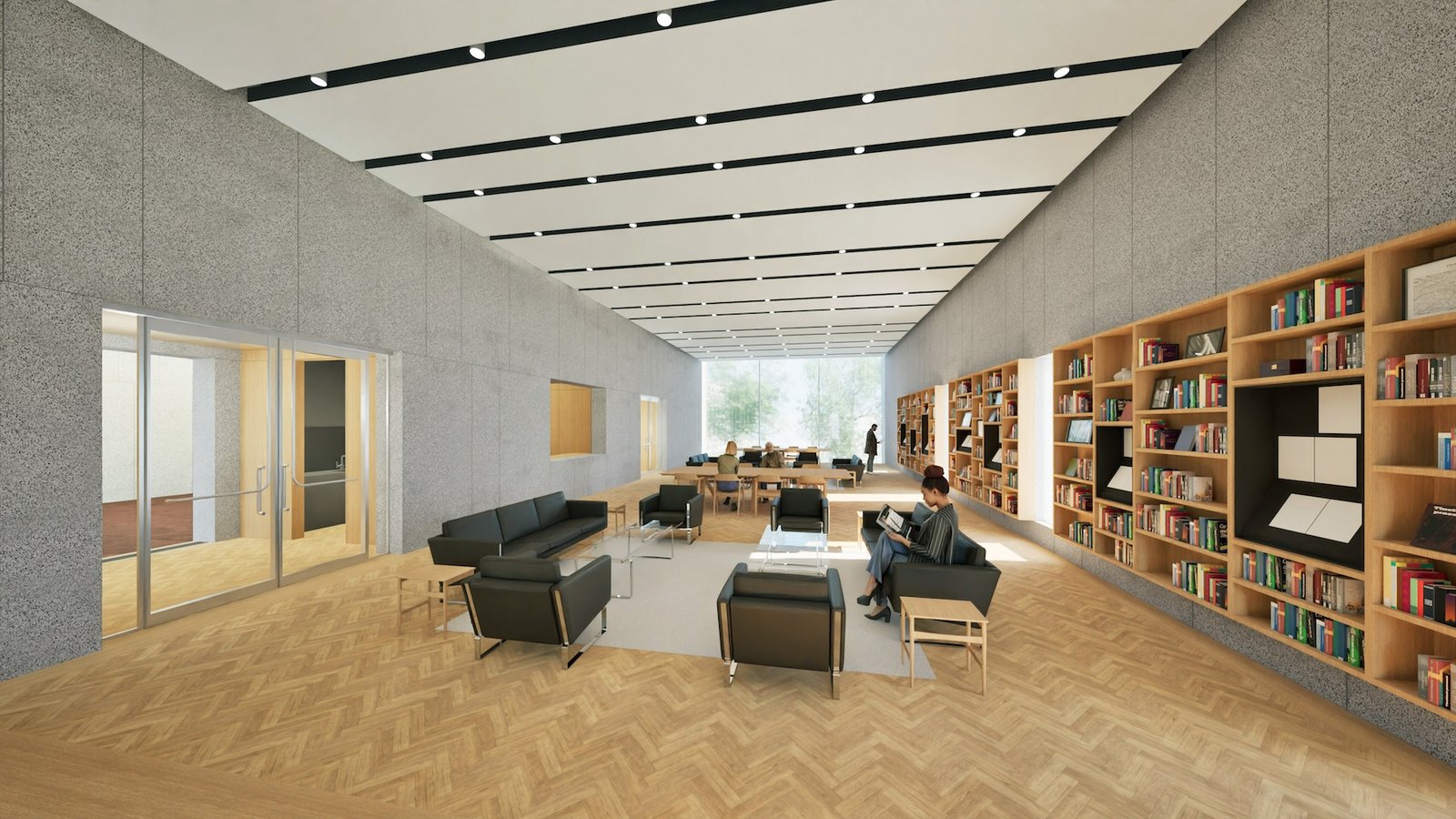
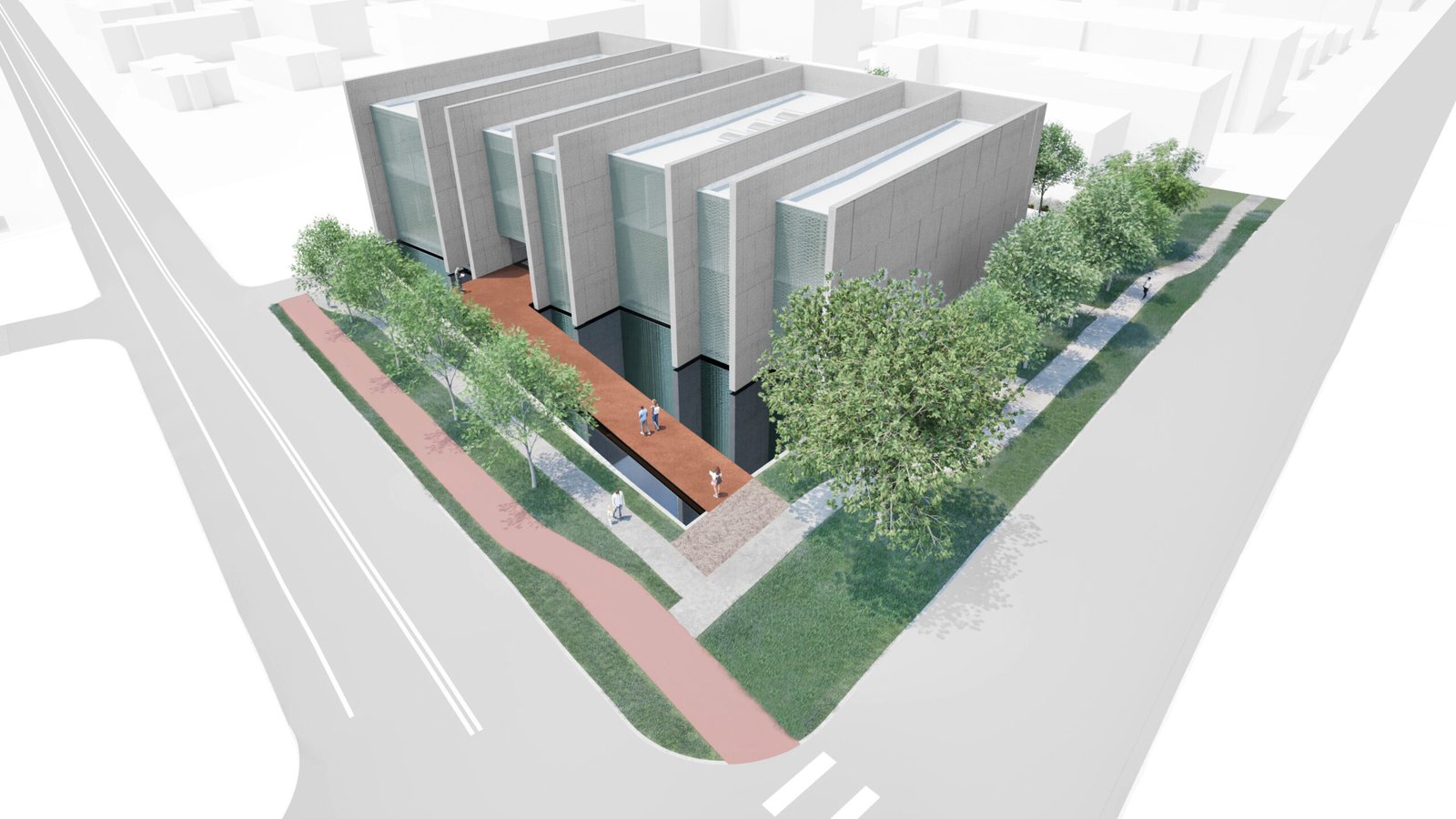
- The creativity to make the building something more than a museum or a memorial — a lived experience designed to change the lives of those who walk through it.
Remove any one of the rest of us and the project likely still happens. Remove Tal, and I do not believe it does. That is what it means to be the essential cause of a thing, and naming it is not a slight to anyone else’s contribution. It is simply accuracy, and accuracy about who produces what is a principle Ayn Rand spent her life defending.
The Virtue of Pride
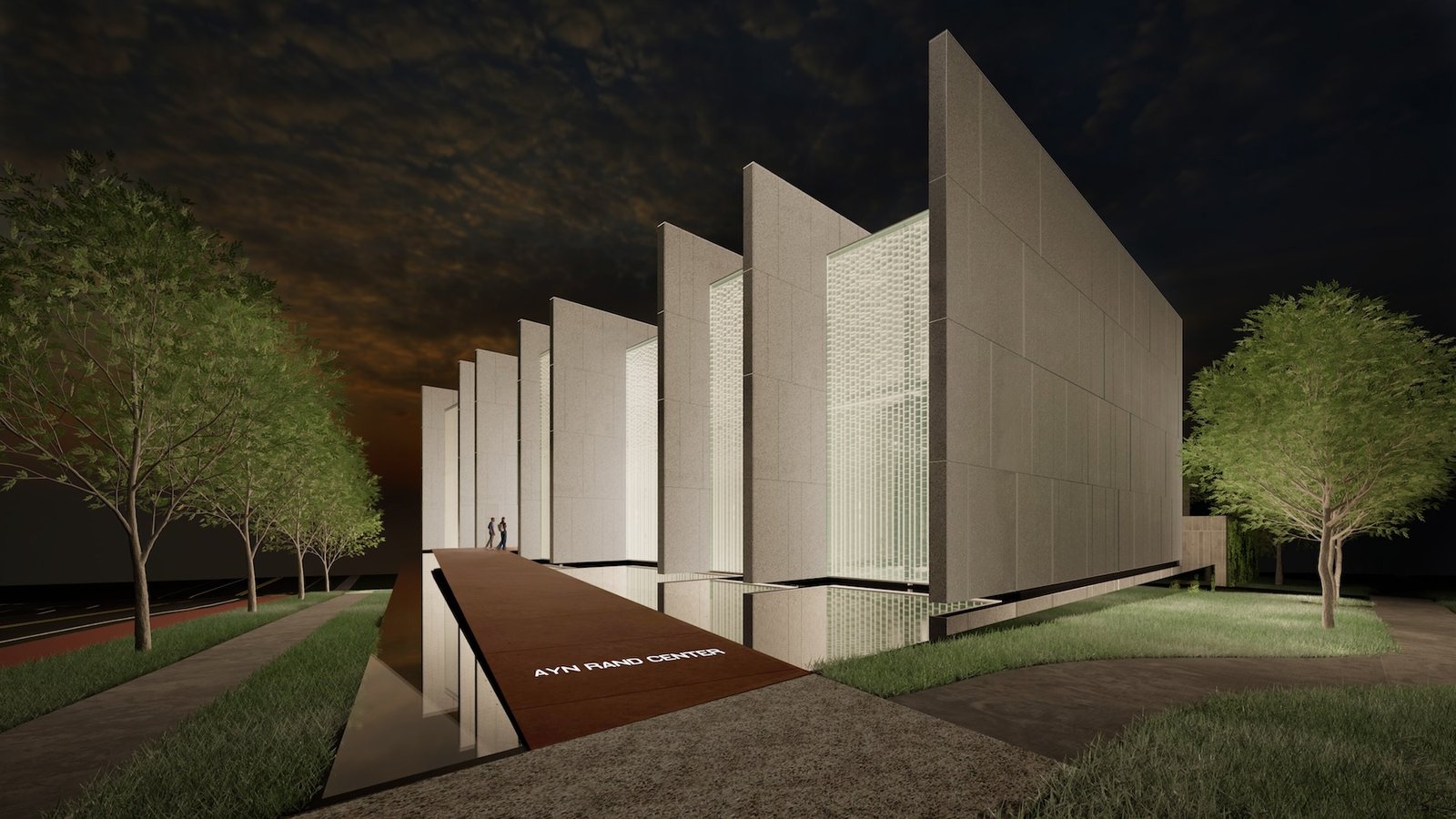
I am nearly overcome with pride at what is rising at 1000 West Martin Luther King Jr. Blvd. in Austin, Texas. The Ayn Rand Center stands among the great values of my long life, and I am grateful to have had a hand in it. My thanks to all my friends at the Institute for making that possible.
And particular thanks to Tal Tsfany for everything he has done, and everything still ahead, as this project moves toward completion.
Here is one of the many great photos of some proud donors, taken at the groundbreaking on September 11, 2026.
You can bet I will be there for the grand opening on September 2, 2028.
Now, please enjoy the recent Substack conversation with Tal Tsfany and Elan Journo of the Ayn Rand Institute. In addition, here is an inspiring video shown at the groundbreaking.