
“Freedom of speech means freedom from interference, suppression or punitive action by the government—and nothing else. It does not mean the right to demand the financial support or the material means to express your views at the expense of other men who may not wish to support you. Freedom of speech includes the freedom not to agree, not to listen and not to support one’s own antagonists. A “right” does not include the material implementation of that right by other men; it includes only the freedom to earn that implementation by one’s own effort. Private citizens cannot use physical force or coercion; they cannot censor or suppress anyone’s views or publications. Only the government can do so. And censorship is a concept that pertains only to governmental action.” – AYN RAND
Brendan Carr, Chairman of the Federal Communications Commission (FCC), has implicitly announced a revival of the Fairness Doctrine. Introduced in 1949, the Fairness Doctrine required broadcasters to present different viewpoints on controversial subjects. When the doctrine was repealed in 1987, radio stations could air programs by conservatives such as Rush Limbaugh without being forced to provide equal time for dissenting viewpoints.
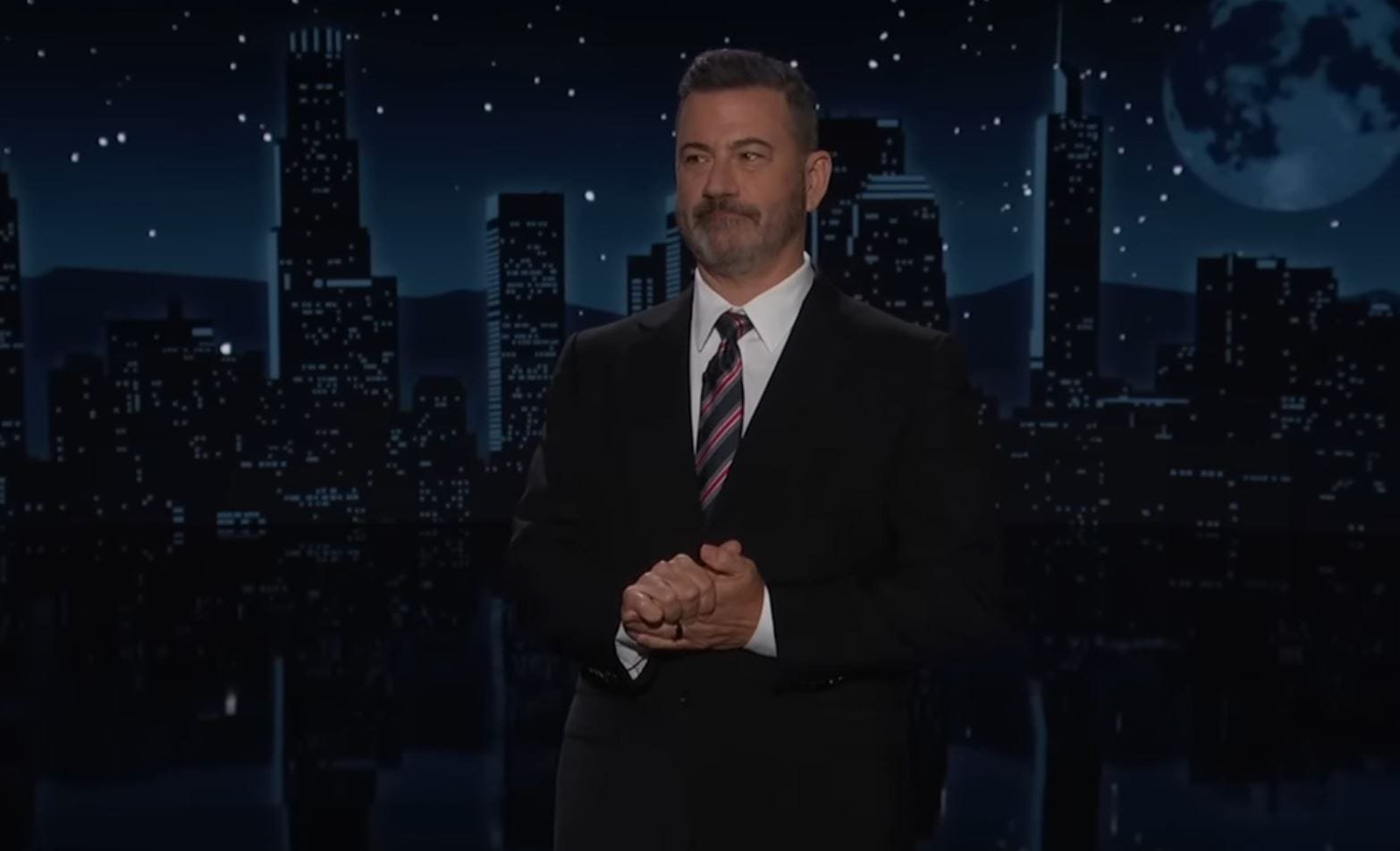
In Carr’s version of the doctrine, “if a broadcast station permits any legally qualified candidate for public office to use its facilities, it shall provide an equal opportunity to all other legally qualified candidates for that office.” This new “guidance” is explicitly aimed at progressive programs such as Jimmy Kimmel Live, The Late Show with Stephen Colbert, and The View, programs which have overwhelmingly featured Democrats.
Previous presidents, such as Kennedy and Nixon, used the Fairness Doctrine to intimidate and potentially silence political opponents. Trump is doing the same. Carr’s “guidance” is akin to saying that an armed robber offers guidance to his victim. In both instances, the threat of force is used to “convince” the victim to act differently than he would voluntarily choose.
Carr stated the regulations do not apply to cable channels, podcasts, or other methods of distributing content. However, he didn’t bother to explain why. Doing so would require him to expose the true nature of the Fairness Doctrine, and that would undermine his purpose.
Dictating content under the threat of government reprisal is censorship, and censorship always involves a violation of property rights. The right to property means the freedom to produce, use, and trade material values. In this context, it means that broadcasters have the moral right to use their facilities as they choose, and that includes the content of their broadcasts.
For years, conservatives have argued that Big Tech is guilty of censoring them and that the government should take action to compel the inclusion of conservative ideas. These claims ignore the fact that Google, Meta, and other tech companies have a moral right to set the terms and conditions for using their platforms. These claims ignore the fact that only the government can engage in censorship.
In its original form, the Fairness Doctrine stifled free speech. Broadcasters were not free to air the ideas of their choosing but had to air the ideas dictated by the government. The Trump Administration wants to use the Fairness Doctrine 2.0 to do the same thing.


