David Ricardo (1772-1823) was one of the most influential economic theorists of the first half of the nineteenth century.


[E]conomic power is exercised by means of a positive, by offering men a reward, an incentive, a payment, a value; political power is exercised by means of a negative, by the threat of punishment, injury, imprisonment, destruction. The businessman’s tool is values; the bureaucrat’s tool is fear. – AYN RAND
David Ricardo (1772-1823) was one of the most influential economic theorists of the first half of the nineteenth century.

This escape from poverty originated in Western Europe in the eighteenth and nineteenth centuries with the coming of the Industrial Revolution and the freeing of men and markets from the heavy-handed regulations and commercial restrictions of government.

Adam Smith’s central contribution to economic understanding was surely his demonstration that under an institutional arrangement of individual liberty, property rights, and voluntary exchange the self-interested conduct of market participants could be shown to be consistent with a general betterment of the human condition.
In The Wealth of Nations, Adam Smith applied Francis Hutcheson’s idea of “natural liberty” in formulating a conception of the meaning of individual freedom and the role and functions of limited government in a free society.
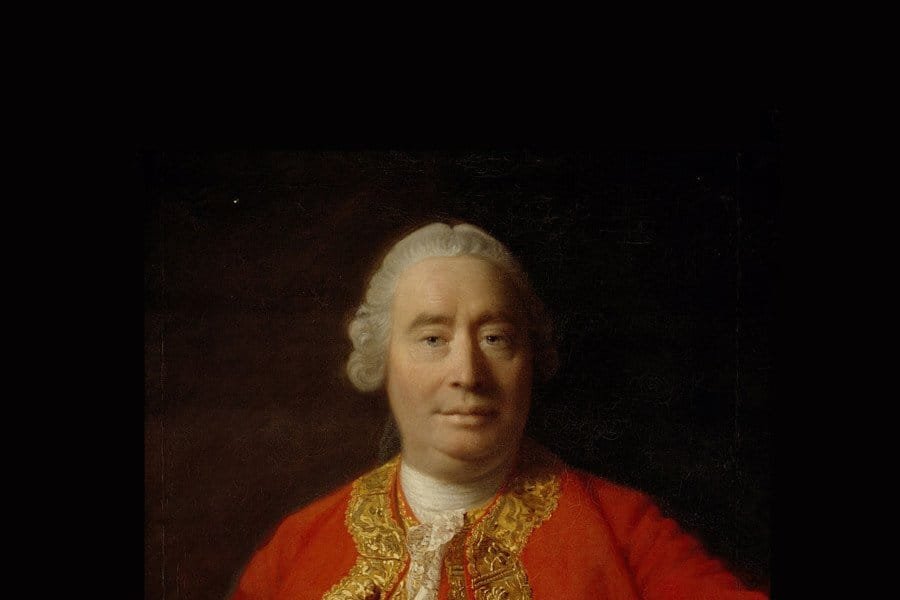
Hume presented a devastating criticism of Mercantilist thinking on trade and commerce, while at the same time, demonstrating the self-regulating and “balancing” forces of the market process.

One of the most cherished misunderstandings, if not delusions, of the social engineer – the individual who would presume to attempt to remake society through conscious and planned design – is the confident belief that he (and those like him) can ever know enough to successfully remold mankind and human institutions.

Society was not created by design to provide safety and security, but, instead, freedom and rights emerged and evolved out of more primitive forms of tribal and collective association as responses to considered injustices and abusive power.
Adam Smith was one of Hutcheson’s students in Glasgow, and his influence on Adam Smith was singularly significant, from everything from the importance of division of labor and the role of private property, to the normative notion of a free society based on a “system of natural liberty.”

The “moral” that Mandeville drew from his tale was that prosperous, wealthy and great societies only arise from men’s self-interested desires, and that is what made for successful civilizations:
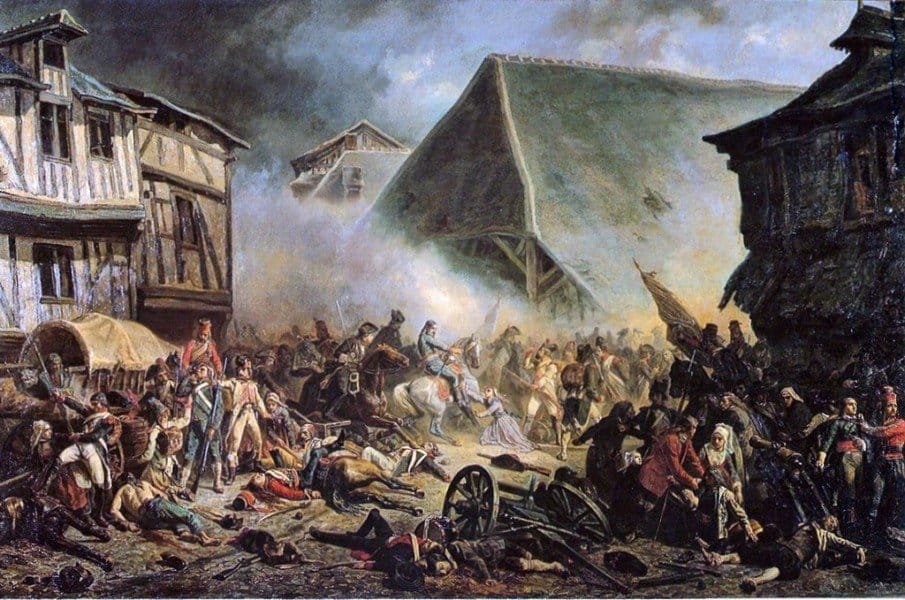
When governments find it impossible to continue raising taxes or borrowing funds, they have invariably turned to printing paper money to finance their growing expenditures. The political economy of the French Revolution is a tragic example of this.

The best policy for government to follow is “laisser passer, laisser faire” — let goods pass and leave men alone to their own decisions.
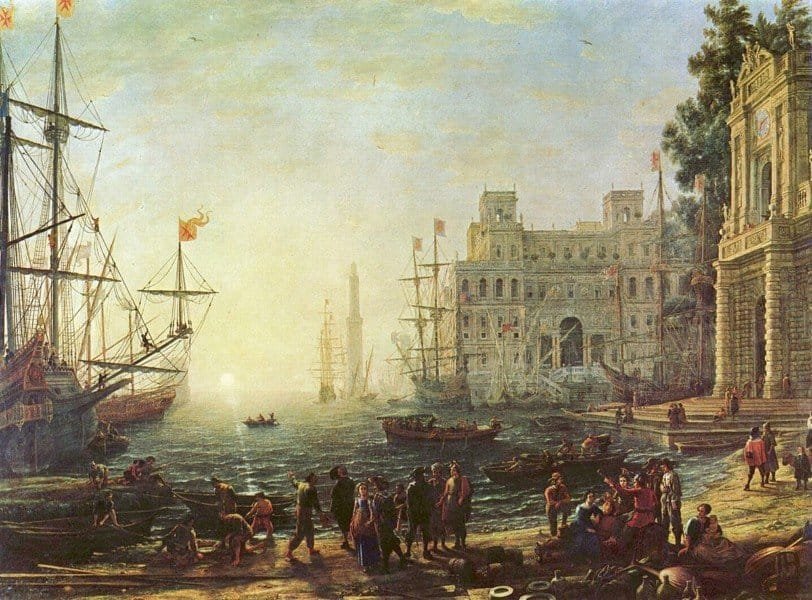
Mercantilism developed in the emerging nation-states under the kings, especially, in France and Spain and in Great Britain, as a set of economic tools to assist in bringing about the centralization of political power and control.

The Catholic Church had a set of fundamental beliefs and principles that set it apart from the Greek and Roman views that had preceded it, and which were to have importance in the future in terms of their economic impact.

Political, social, and economic life in the Middle Ages revolved around two sets of institutions.
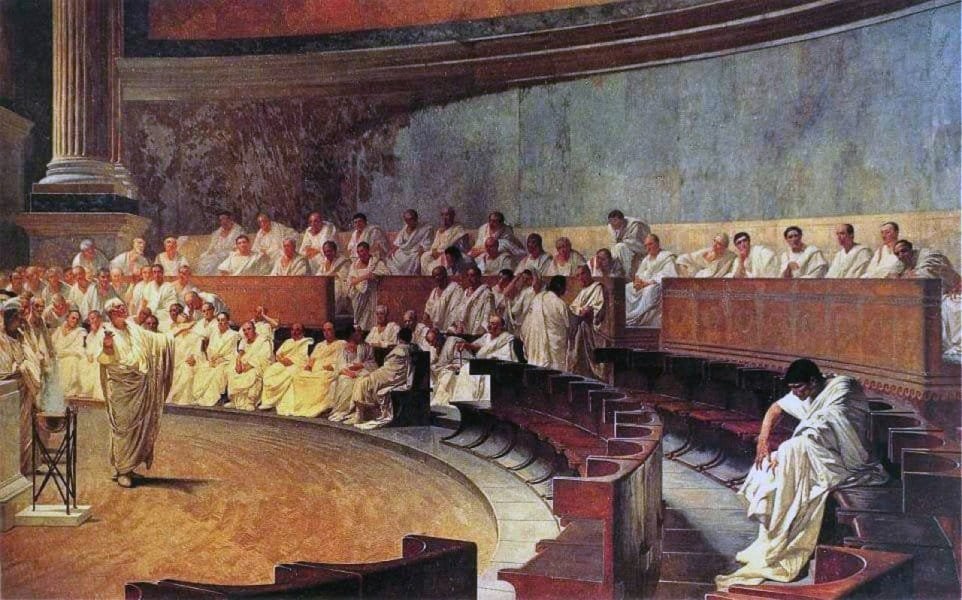
The area in which the Ancient Romans did leave a body of thought, and one that has had lasting influence and significance for future generations, especially in the West up until our own time was in the area of law and contract.
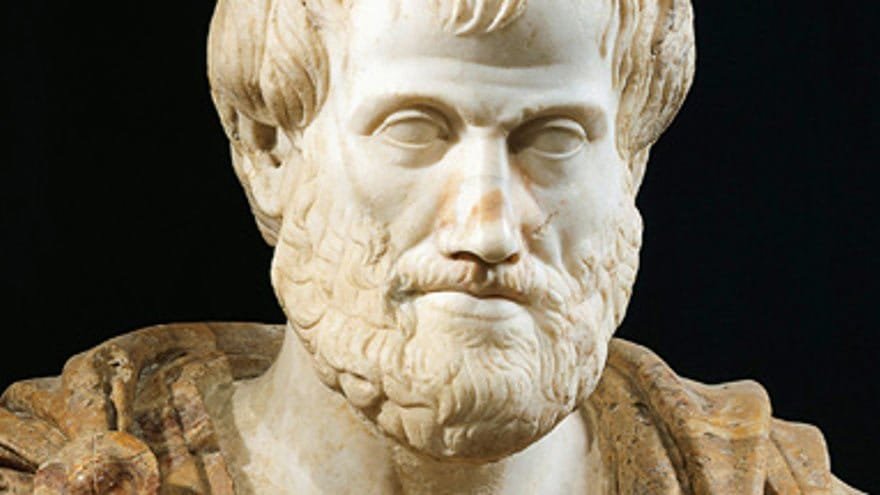
Political-Economic Ideas of The Greeks, Part 3
Austrian Economics is the most powerful explanation of why governments, no matter how well-intentioned, lack the knowledge, wisdom and ability to direct the lives of multitudes of people better than those people can do for themselves.
Austrian Economics is the most powerful explanation of why governments, no matter how well-intentioned, lack the knowledge, wisdom and ability to direct the lives of multitudes of people better than those people can do for themselves.
Austrian Economics is the most powerful explanation of why governments, no matter how well-intentioned, lack the knowledge, wisdom and ability to direct the lives of multitudes of people better than those people can do for themselves.
Austrian Economics is the most powerful explanation of why governments, no matter how well-intentioned, lack the knowledge, wisdom and ability to direct the lives of multitudes of people better than those people can do for themselves.

Ludwig von Mises’s majestic magnum opus, Human Action: A Treatise on Economics, was published on September 14, 1949. In the nearly seven decades since its appearance, Human Action has come to be recognized as one of the truly great classics of modern economics.
Austrian Economics is the most powerful explanation of why governments, no matter how well-intentioned, lack the knowledge, wisdom and ability to direct the lives of multitudes of people better than those people can do for themselves if left sufficiently at liberty to do so.
Austrian Economics is the most powerful explanation of why governments, no matter how well-intentioned, lack the knowledge, wisdom and ability to direct the lives of multitudes of people better than those people can do for themselves.
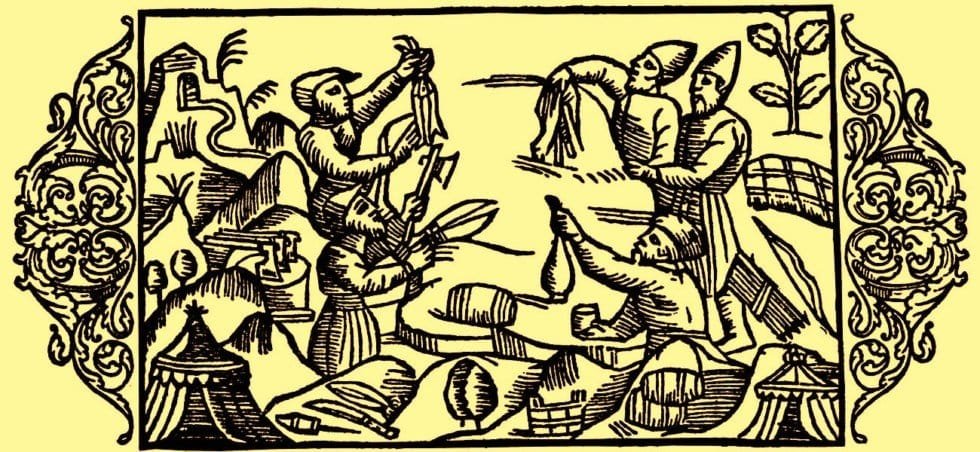
There is, after all, at least one impulse among humans that’s more deep-seated than their “propensity to truck, barter, and exchange.” I mean, of course, their propensity to let themselves be thoroughly bamboozled.

On the Fed’s “instruments of monetary control,” which include devices for regulating the total quantity of bank reserves and circulating Federal Reserve notes, and also for regulating the quantity of bank deposits and other forms of privately-created money that will be supported by any given quantity of bank reserves.
A better alternative, if only it can somehow be achieved, or at least approximated, is a monetary system that adjusts the stock of money in response to changes in the demand for money balances, thereby reducing the need for changes in the general level of prices.
What sort of monetary policy or regime best avoids the costs of having too much or too little money?
How can a central bank manage a quantity without being certain just how to define, let alone measure, that quantity? How is it possible for the quantity of money supplied to differ from the quantity demanded? When those things do differ, how can one tell? Finally, just what does “the demand for money” mean?