

Richard M. Ebeling
Dr. Richard M. Ebeling is the recently appointed BB&T Distinguished Professor of Ethics and Free Enterprise Leadership at The Citadel. He was formerly professor of Economics at Northwood University, president of The Foundation for Economic Education (2003–2008), was the Ludwig von Mises Professor of Economics at Hillsdale College (1988–2003) in Hillsdale, Michigan, and served as vice president of academic affairs for The Future of Freedom Foundation (1989–2003).

Individual Rights and The Role of Government in Society
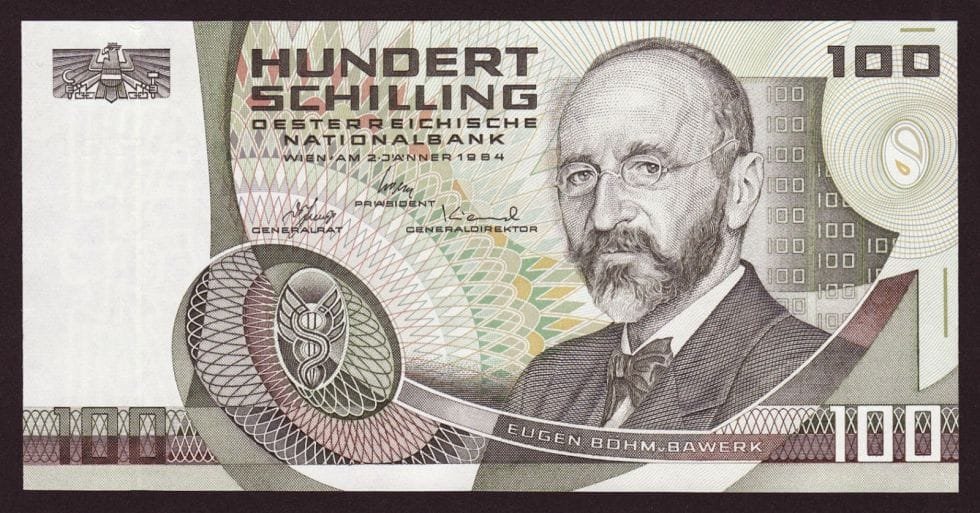
Eugen von Böhm-Bawerk: Refuter of Marxism and Theorist on The Economics of Capitalism

How Lithuania Helped Take Down The Soviet Union

Economist Joseph Schumpeter: Father of Capitalist “Creative Destruction”

What is the Role of Government in Society?

Socialism as the Ideology of Death and Destruction
Individualism and Capitalism vs. Central Planning and Statism: The Political Battle of the 21st Century
Imagine a World Where Obama Defends Capitalism and Free Markets
Statism vs. Capitalism: Why Government Cannot Manage The Economy, Part II
Statism vs. Capitalism: Why Government Cannot Manage The Economy, Part I

Ending Government’s Monopoly Control Over Money

Book Review: Popular Economics: What the Rolling Stones, Downton Abbey, and LeBron James Can Teach You about Economics
Capitalism Supports Free Open Unions and Not Compulsory “Closed Shop” Ones

The Benevolence of Capitalism vs The Paternalism of the Welfare State

There Is No Social Security Santa Claus
A Gold Standard Can Limit Government Monetary Abuse
“Democratic Socialism” Means The Loss of Liberty
Socialism: An Ideology of Death and Destruction

When The Supreme Court Stopped FDR’s Economic Fascism in America

Bill Gates, Climate Change, Capitalism and Tragedy of the Commons
Bill Gate’s Solution to Climate Change Reveals His Misunderstanding of Capitalism and Free Markets

Money and Banking is Too Important to Leave to Central Banks
