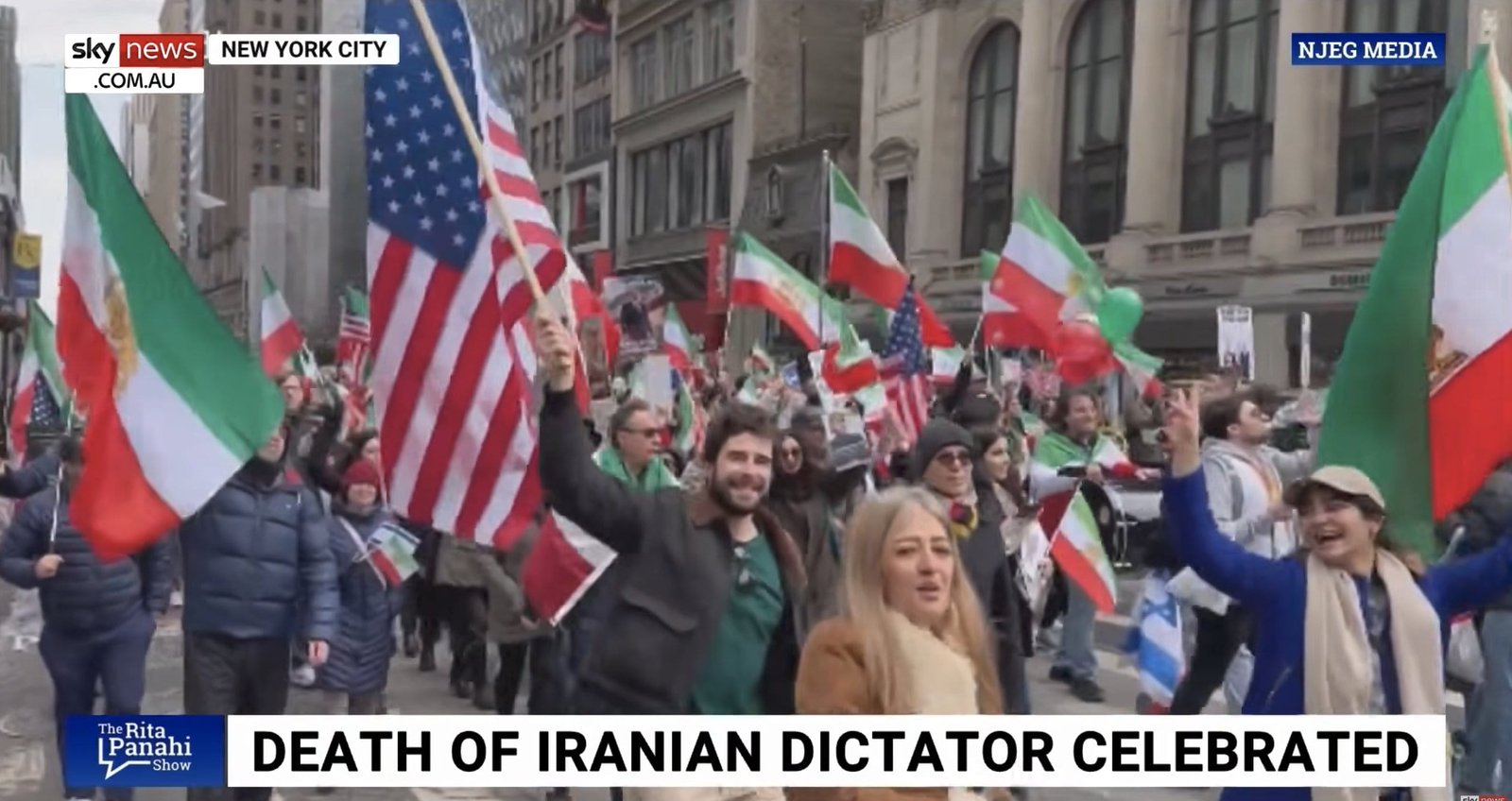
Iran didn’t evolve into what it is today. It was taken.
Iran Is Not The Exception. Iran Is the Warning.
That’s the frame Chase Hughes builds in his recent video—and it’s the frame that makes everything else visible. In the 1960s and ’70s, Tehran looked more like a European capital than the theocratic cage the world has come to accept as Iran’s natural state. Women were doctors, lawyers, professors. Universities were world-class. Art, music, science thrived. This was not a primitive society waiting to be modernized. It was already modern.
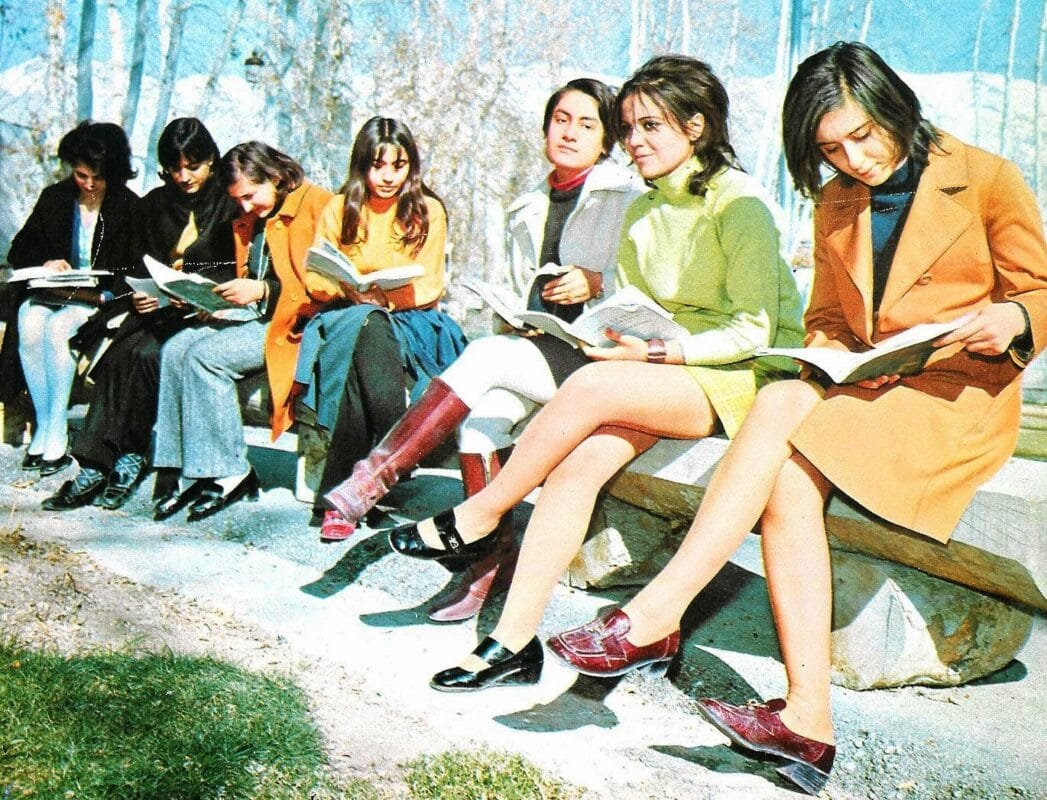
Then it was interrupted.
Hughes identifies the mechanism with military precision. The Ayatollah didn’t sell himself as a tyrant. He wore the costume of a liberator—moral cleansing, justice, independence. The revolution wasn’t framed as religious extremism. It was framed as correction. And once the Shah fell, consolidation came slowly, methodically, through a weapon most people still misidentify. They called it religion. Hughes calls it what it actually was: fear.
Fear of being outcast. Fear of being judged. Fear of being labeled immoral. Fear of ending up on the wrong side of history. Fear of being alone. New public rituals became compliance tests. Speech became dangerous. Silence became survival strategy. And once belief became mandatory, Hughes notes, truth became a liability. An entire civilization, psychologically hijacked. Not through guns first—through narrative.
Now look west. The mechanism is identical. The costume is different.
The Left’s Capture of Western Institutions
The Western Left and the globalist project it serves didn’t announce themselves as revolutionaries. They announced themselves as correctors—of racism, of inequality, of historical injustice, of irredeemable systems that needed to be dismantled and rebuilt. Moral cleansing. Justice. Liberation. The framing was always cleansing, never seizure.
But beneath the framing, Hughes’ question applies directly: who is allowed to use violence? That’s what every revolution actually shifts. And in the West, the monopoly on legitimate force—social, institutional, economic—has been methodically transferred. Not to mullahs. To a credentialed class that controls universities, media, corporate HR departments, and the bureaucratic apparatus of government. The enforcement mechanism isn’t the Revolutionary Guard. It’s the Twitter mob, the DEI office, the HR complaint, the deplatforming, the funding cut, the career destruction. The compliance tests are different. The structure is the same.
New public rituals—land acknowledgments, pronoun declarations, mandatory training, performative statements after every news cycle—function exactly as Hughes describes them functioning in post-revolutionary Iran: not as genuine expressions of belief, but as tests. Are you with us or against us?

Speech became dangerous. Silence became a strategy. An entire professional class learned what not to say, how to perform the right beliefs in public while thinking something else entirely in private. When belief becomes mandatory, truth becomes a liability.
The West didn’t get there through a single revolution in a single year. It got there the same way Iran consolidated after 1979—slowly, methodically, one institution at a time. And like Iran, it didn’t survive because everyone believed. It survived because people learned to live inside it.
That works until it doesn’t.
The Populist Nationalist Revolt in the West
Hughes’ most powerful insight concerns the protesters now in the streets of Iran. Look closely at who they are, he says. Students. Professionals. Descendants of an educated class. People who grew up hearing stories of a different Iran—through parents, through photo albums, through memories smuggled across time. They aren’t asking for something new. They’re asking for something stolen. That distinction is everything.

And it is, word for word, the correct description of the populist nationalist revolt in the West. Trump voters. Brexit voters. The supporters of nationalist movements across France, Germany, Italy, Hungary, the Netherlands.
They are not utopians. They carry no blueprint for a new world. They are people who remember—or whose parents remember, or whose grandparents remember—a country where the border meant something, where the culture had a name, where you could say what you actually thought without losing your livelihood, where the nation belonged to its people rather than to a managerial class that held it in contempt. They aren’t asking for something new. They’re asking for something stolen.
This is why the “reactionary” attack has never landed. You cannot shame people for wanting to retrieve what was taken. The emotional engine of populist nationalism isn’t fear of the future. It’s a memory of the past. Hughes explains exactly why that makes suppression so hard: when a population remembers itself, suppression becomes extremely hard. The Left has thrown everything at that memory. Accused it of racism, of nostalgia, of dangerous irrationality. None of it has worked. Because you cannot gaslight a memory. You can only try to make the person who holds it doubt themselves—and that, too, only works until it doesn’t.
The Ayotollah Mirror: What Terrifies the Left
Which brings us to what genuinely terrifies the Western Left right now. Before the recent military conflict began, something remarkable was happening on the streets of Iran. Protesters were waving Israeli flags. Ordinary Iranians were praising America, expressing warmth toward Jews, rejecting the regime’s foundational hatred as foreign to their actual identity. The cameras were there. The world was watching.
The Western Left’s response was not celebration. It was discomfort, dismissal, and in some corners, outright hostility. That reaction requires explanation.
If you believe your project is justice, liberation, and the defense of oppressed peoples, then Iranians throwing off their oppressors and embracing the West and Israel should be the story of the decade. It should be vindicating. It should be joyful. Unless—and here is where the mirror appears—you recognize in the Iranian regime something you cannot afford to condemn too enthusiastically. Not because you endorse theocracy. But because the mechanism is yours. The moral-cleansing justification. The compliance rituals. The speech codes. The fear of social ostracism as the primary enforcement tool. The narrative replacing legitimacy. The slow institutional capture dressed up as liberation.
The Iranian people celebrating Israel and America weren’t just rejecting the Ayatollah. They were rejecting the entire architecture of ideological capture—the architecture the Western Left has been building at home. They were proving, viscerally and publicly, that people remember who they are. That you can take a civilization and interrupt it, but you cannot make the memory disappear. That when the story the regime tells stops working, the regime has nothing left. The Left’s rage at those crowds is not confusion. It is recognition.
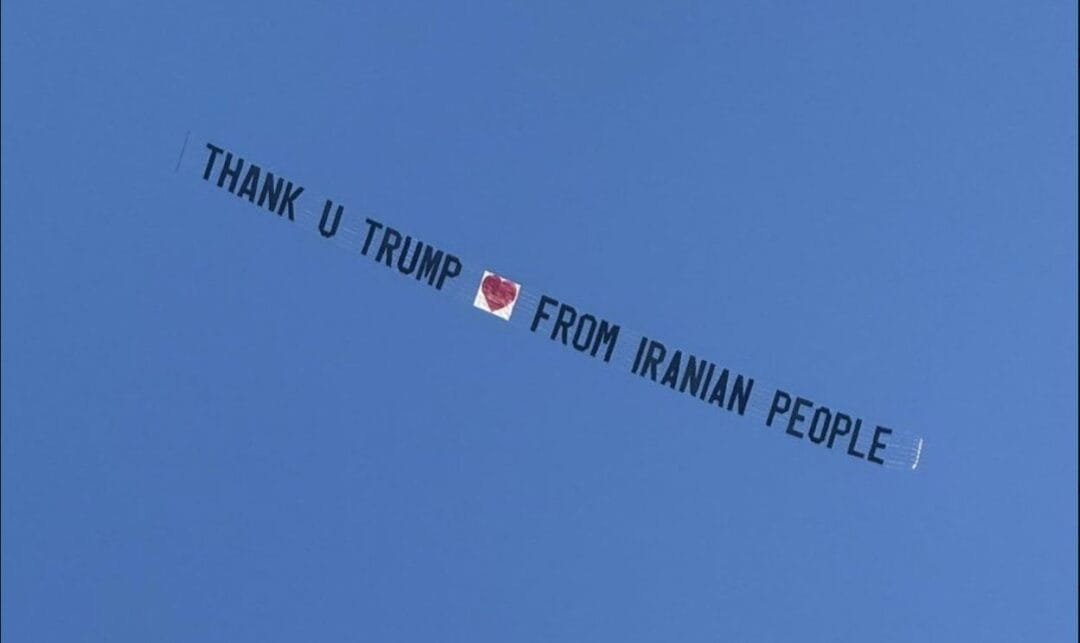
Hughes ends his video with a warning: when a population forgets who it is, somebody else will decide who it is. The Iranian people didn’t forget. That’s what made them dangerous to their captors.
The question for the West is whether the same is true here—whether the memory is still strong enough, still transmissible enough, still present in enough people that the mechanism of capture fails before it completes. The populist revolt suggests the answer is yes. The establishment’s fury at that revolt suggests they know it too.
Chase Hughes is a former military SERE and behavioral intelligence specialist. His video “BREAKING: The REALITY The Media Isn’t Telling You About Iran” is essential viewing: