Between the cartoon shows I watched on Saturday mornings as a young boy was a show starring cowboy Roy Rogers. What I recall most about the show—more than Roy and his wife Dale Evans singing “Happy trails to you, until we meet again …” and his horse Trigger—was Roy having gunfights with the bad guys. I learned the oft-repeated assurance, “It’s just a flesh wound,” without knowing what flesh is. The gunfights invariably ended with Roy displaying brilliant feats of marksmanship, shooting the guns out of the bad guys’ hands, leaving the bad guys unharmed and harmless—until the next episode. There always had to be a next episode (“until we meet again”).
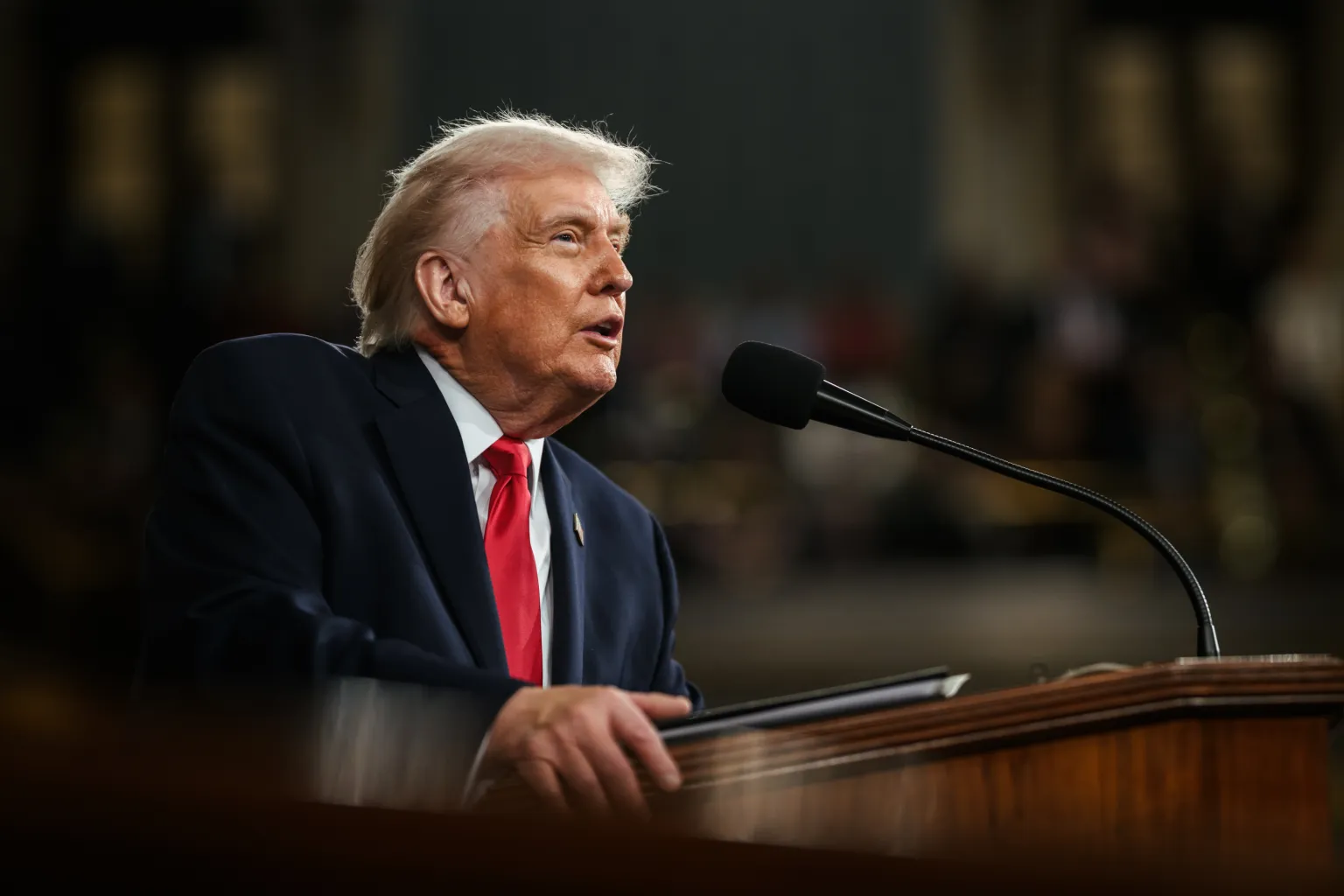
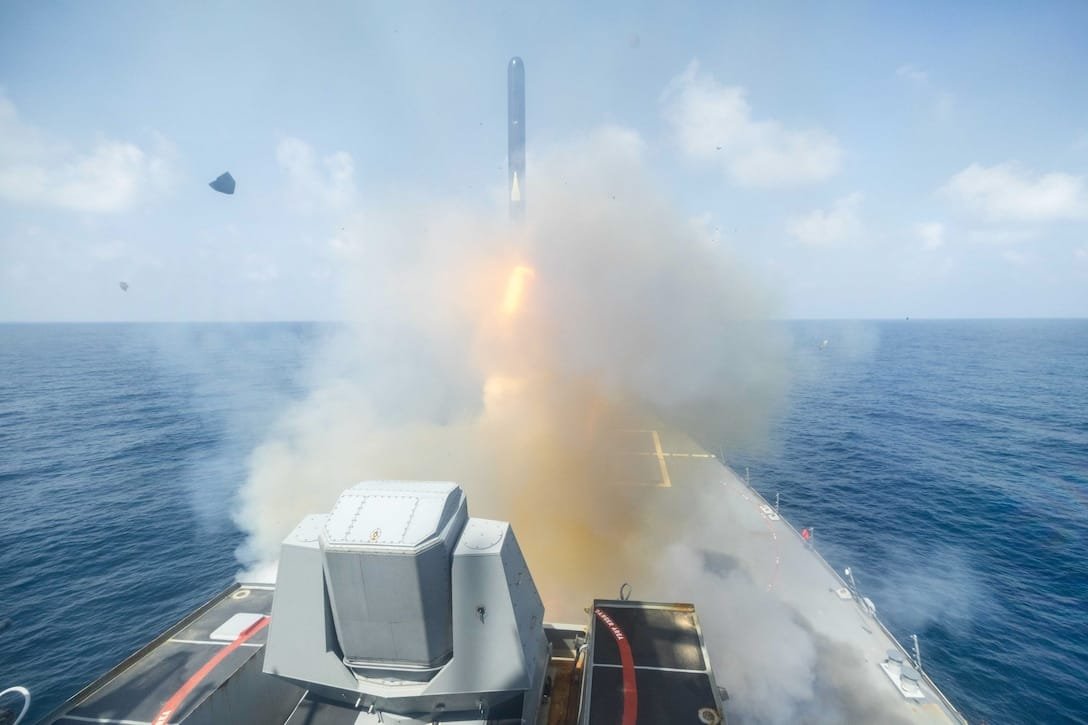
Recently, the U.S. displayed brilliant feats of technological and military prowess by shooting nuclear weapons out of the hands of the Iranian regime—leaving the regime unharmed and harmless—until the next episode. Similarly, the U.S. displayed brilliant feats of military acrobatics by extracting Maduro from Venezuela, leaving the rest of the Venezuelan government unharmed and harmless—until the next episode.
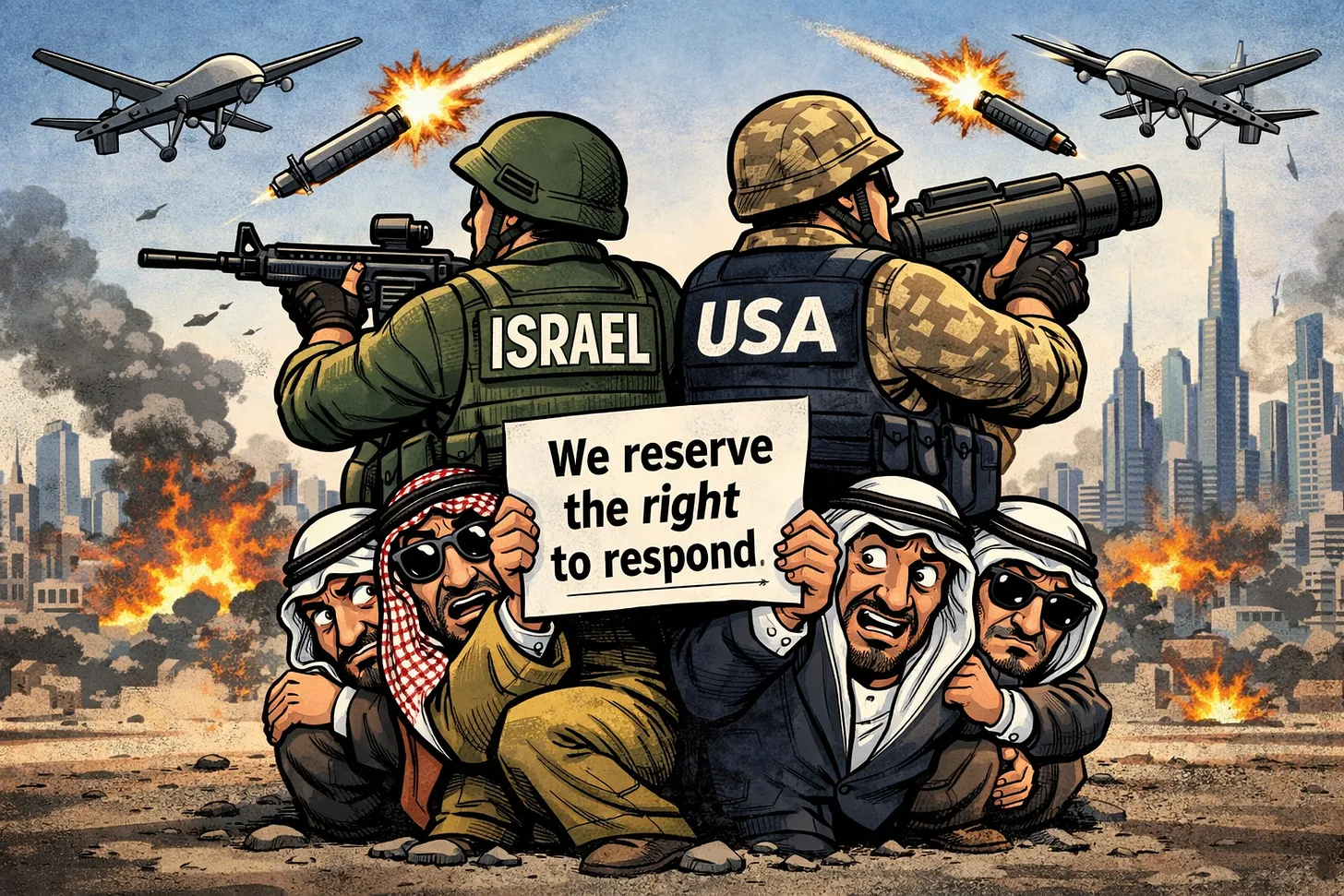
Here is the lesson that America is teaching our enemies. If you do evil, murderous things, we will shoot the guns out of your hands. You won’t die or anything like that (except for maybe a handful of your soldiers you care about less than we do), but you’ll have to wait until the next episode to have another chance at destroying America, Israel, and the rest of Western civilization.
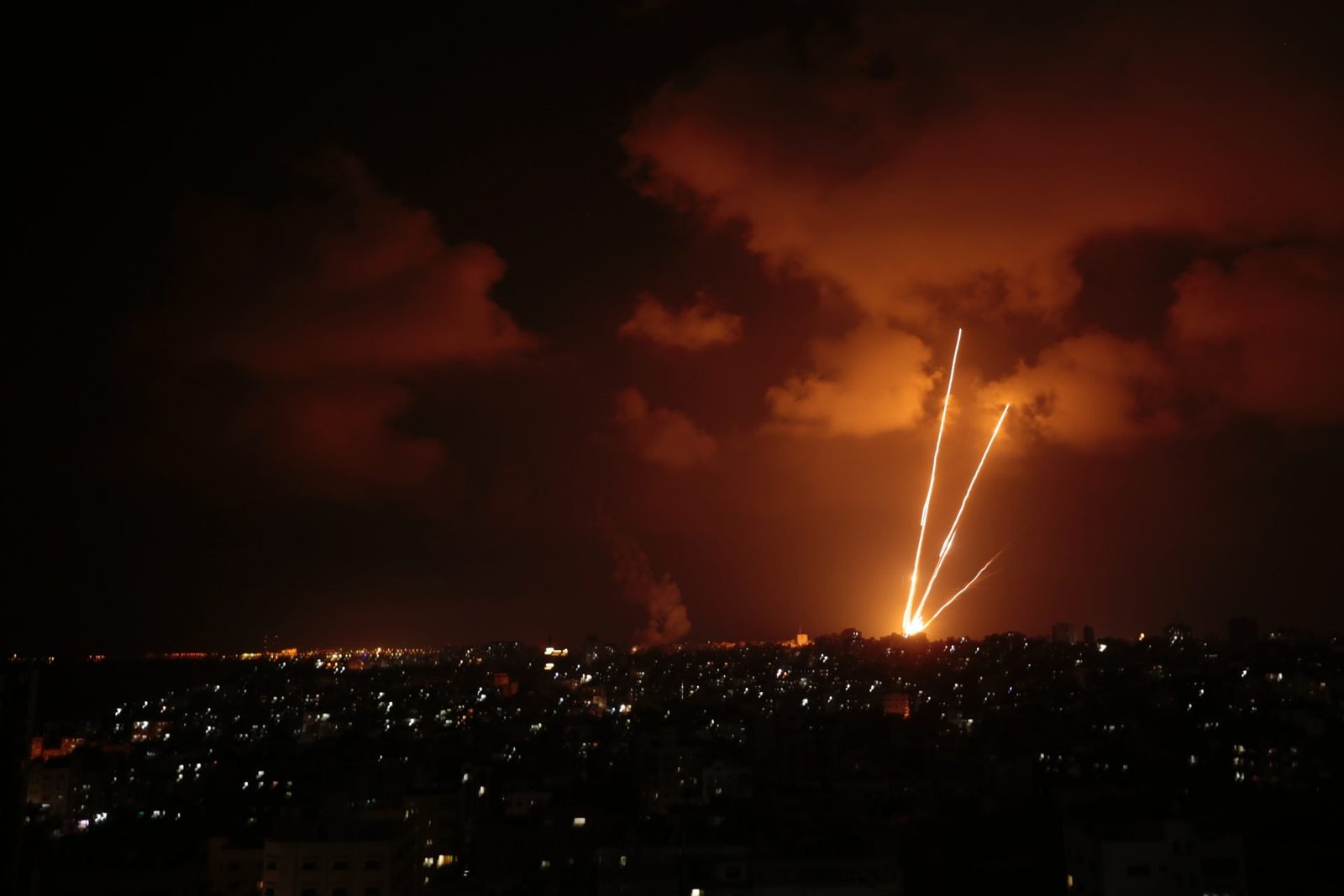
Against Hamas, Israel did better than we have done against Iran. Israel actually harmed Hamas, under much more difficult circumstances than faced by the U.S. in the episodes above. Nevertheless, probably due to pressure from the U.S., Hamas was not made harmless. Does anyone doubt a next episode?
President Trump’s 20-point “Comprehensive Plan to End the Gaza Conflict” reads like a business deal mainly for the benefit of Gazans. Point 2 of the plan reads as follows:
2. Gaza will be redeveloped for the benefit of the people of Gaza, who have suffered more than enough.
The plan makes no mention of suffering by Israelis, even though U.S. Secretary of State Rubio stated, on October 7, 2025,
Today marks two years since the attacks of October 7, when Hamas murdered more than 1,200 innocent men, women, and children — including 46 Americans — in the most brutal terrorist attack in Israel’s history. Alongside these killings, Hamas took 254 hostages, among them 12 Americans. To this day, 48 hostages remain in Hamas captivity, including the remains of American citizens Itay Chen and Omer Neutra.
Everyone knows that World War I was a failure for Western civilization; defeated Germany came back a mere two decades later to wreak even worse havoc. Does anyone think that the Iranian regime and its proxies will remain harmless for nearly as long as two decades?
Never has there been a more extreme contrast of good vs evil than Israel and the United States on the side of good, and Iran, Hamas, and other Iranian proxies on the side of evil.
Moreover, rarely in war has there ever been a more extreme contrast in physical military power between a powerful good vs. a puny evil. Nevertheless, the same Iranian mullahs still control Iran, and Hamas still controls Gaza.
Whatever happened to declared war, conquest, and unconditional surrender?
The German instrument of surrender in 1945 began as follows:
1. We the undersigned, acting by authority of the German High Command, hereby surrender unconditionally to the Supreme Commander, Allied Expeditionary Forces and simultaneously to the Soviet High Command all forces on land, sea and in the air who are at this date under German control.
The Japanese instrument of surrender in 1945 contained this statement:
We hereby proclaim the unconditional surrender to the Allied Powers of the Japanese Imperial General Headquarters and of all Japanese armed forces and all armed forces under Japanese control wherever situated.
* * *
Now, the Iranian regime is murdering thousands of Iranians.
I am a woman from a small village in northern Iran.
Jailed for protesting.
Beaten for showing my hair.
Expelled from parliament for exposing their corruption.
Forced into exile.
My sister was paraded on state TV to publicly disown me.
My brother was imprisoned as punishment.
My… pic.twitter.com/jJHuunjLOh— Masih Alinejad 🏳️ (@AlinejadMasih) January 16, 2026
Given that the U.S. left the Iranian regime intact after the regime and its proxies murdered thousands of Americans from Beirut to Iraq to Israel (see here for references), and given that the U.S. left the Iranian regime intact after the regime and its proxies—from Hamas to Hezbollah—murdered thousands of Israelis, why shouldn’t the U.S. leave the Iranian regime intact after the regime has murdered thousands of Iranians?
The answer is that we were wrong to leave the regime intact those earlier times. Although we have less of a direct reason to destroy the regime this time, that reason is still plenty good enough. (See “Now is the Time to Strike Iran” and “Now is the Time to Strike Iran, Chapter 2,” both posted in 2009.)
Or, we can keep trying to shoot the gun out of the bad guy’s hand—maybe this time kidnapping the Ayatollah Khamenei without even injuring anyone—until one day we don’t see the gun, or the nuclear bomb, in time.
The main difficulty the Israelis faced in Gaza was that Hamas was embedded with the Gazan populace. It was not possible to kill Hamas without also killing Gazans who opposed Hamas, such few as there were. The right solution to that dilemma was as follows: Gazans had no right to expect Israelis to sacrifice their own lives for the sake of Gazans. All Gazans had a moral responsibility to fight Hamas, and to take action to separate themselves from Hamas, even at great peril.
Well, that is what the moral Iranians are doing. At great peril, they are clearly separating themselves from those in the evil regime. The U.S. has ample opportunity to kill bad guys while leaving good guys—American and Iranian—unharmed.
Take the shot.