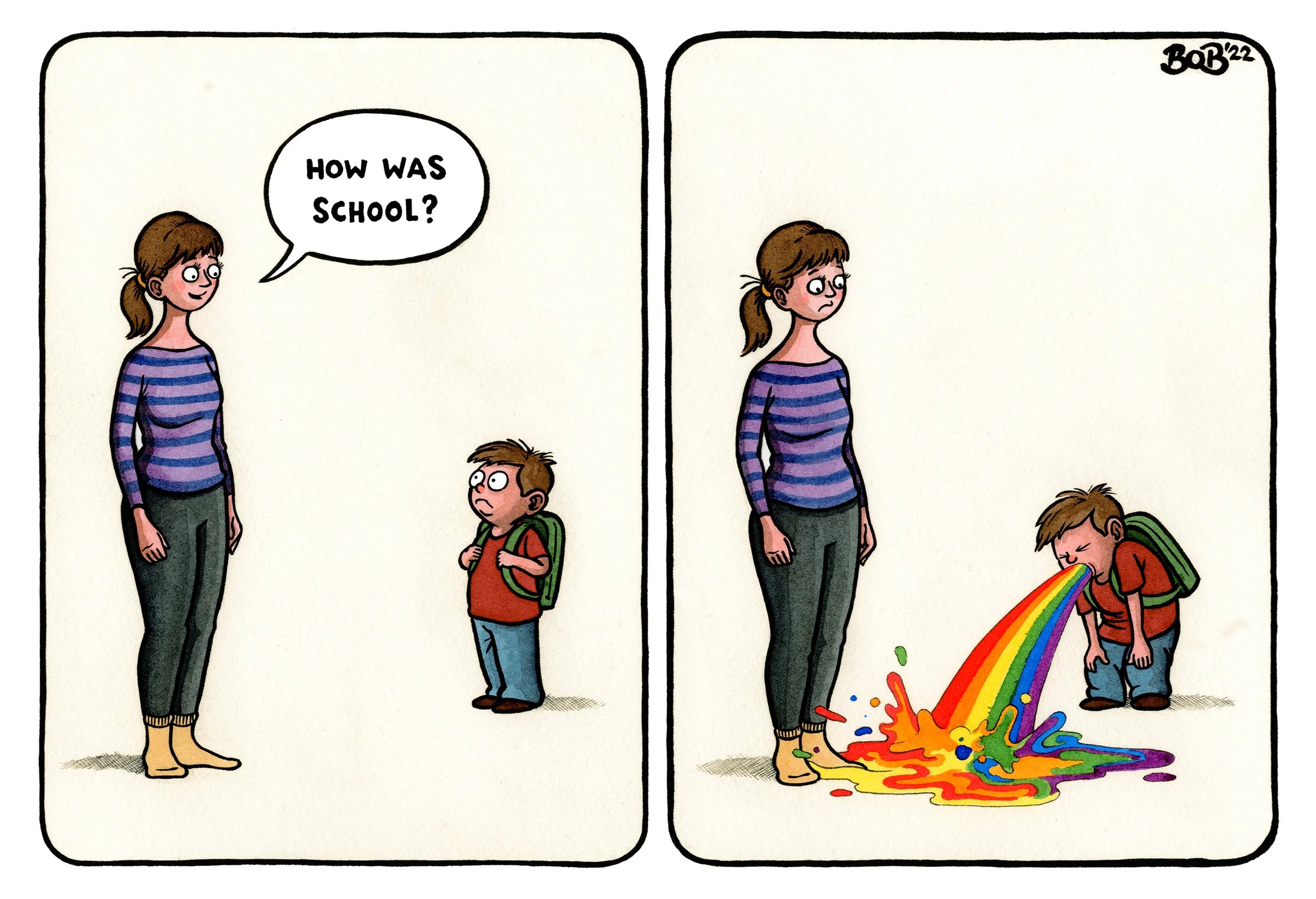
Soviet-Bloc citizens perfected dark humor under communism. The jokes compressed decades of absurdity into punchlines. “We pretend to work, they pretend to pay us.” “Under capitalism, man exploits man. Under communism, it’s the other way around.” The humor spread because it named what everyone saw but couldn’t say. The regime’s lies were transparent. Mockery became survival.
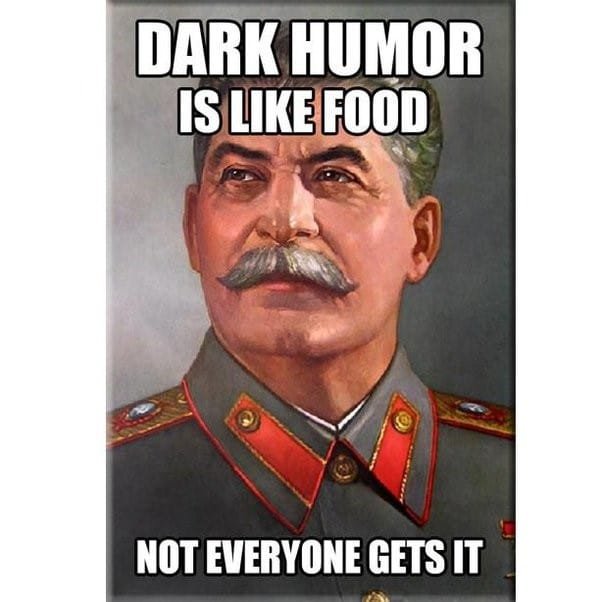
Imagine Soviet propagandists trying to meme back. “Imperialists can’t decide on which brand of tea to buy!” doesn’t work when shelves are empty. Communist China’s “social harmony” slogans can’t compete with Winnie the Pooh comparisons—banned for being too accurate. Islamist defenders can’t meme because their worldview demands submission to claims that contradict observable reality, especially about women, freedom, and human nature—and merely representing Allah would be a death sentence.
Authoritarian ideologies can’t meme because they can’t afford truth. Humor requires acknowledging what’s there. When your system depends on denying the obvious—scarcity, oppression, failure—every joke becomes a threat.
The internet didn’t invent this dynamic. It made it visible in real time. “The left can’t meme” is the newest chapter in an old story: reality-denying systems fail the humor test. They always have.
Richard Dawkins coined “meme” in 1976 to describe units of cultural transmission—ideas that replicate like genes. David Deutsch refined it: memes spread because they’re fit for their environment, not necessarily because they’re true. Internet memes are the visible form—ideas compressed into images, phrases, formats that replicate across platforms. When people say “the left can’t meme,” they’re observing a fitness problem. The left’s ideas don’t compress. They don’t replicate. They don’t fit observable reality.
The right’s memes work because they reference shared experience. Movie scenes with added text—a frame from The Matrix, Leo DiCaprio pointing at a screen—become instant commentary. Archetypes compress worldviews: the “based” masculine figure, the disheveled activist. Wojak faces express what everyone feels at the gas pump or grocery checkout. The NPC with a BLM t-shirt, three facemasks and eight hypodermic syringes in their arms. You see it, recognize it, share it. No explanation required.
The left’s memes require a primer. “Defund the police” spawned a thousand clarifications because the slogan didn’t match what the words meant. These aren’t memes—they’re slogans that need footnotes. They fail the compression test because the underlying ideas are constructed, not observed.
The Left’s Model: Narrative Over Nature
The left builds their world model from theory, then filters facts through it. Start with the conclusion—systemic racism, patriarchal oppression, capitalist exploitation—then interpret every data point to fit. When facts conflict, the model wins. Add epicycles: context, nuance, “lived experience.” Crime statistics get asterisked. Inflation gets blamed on greed instead of money supply. Immigration’s costs get buried under “net benefits” studies that exclude what they exclude.
The system can’t self-correct because correction requires acknowledging that the model might be wrong. And if the model’s wrong, the whole structure collapses. So reality becomes the enemy. Observable facts—violent crime rates, inflation’s impact on wages, border chaos—get reframed as right-wing talking points. The question isn’t “Is this true?” It’s “Does this threaten the narrative?”
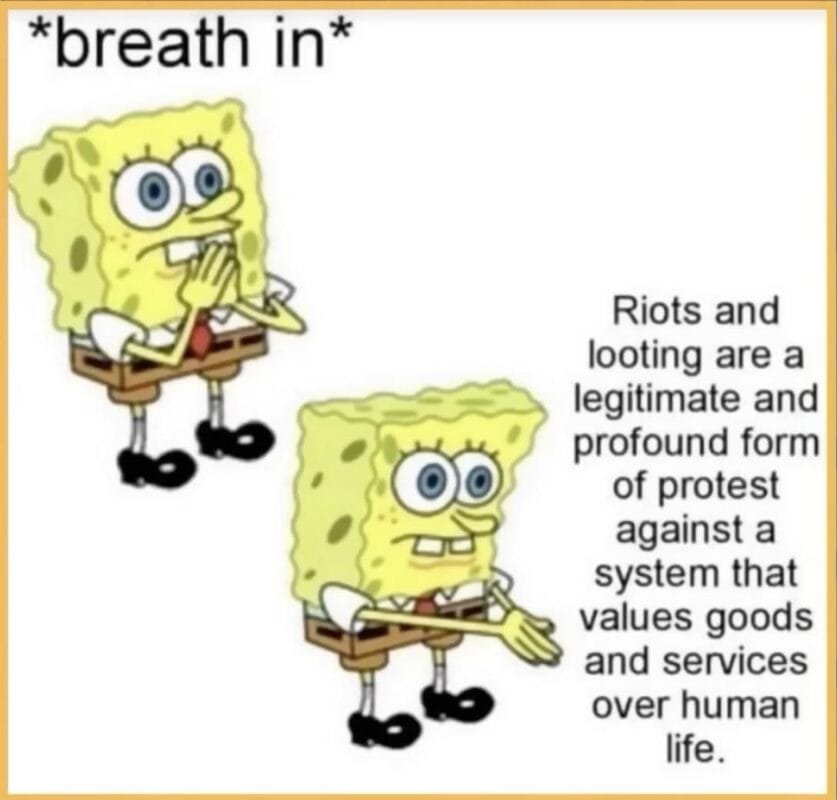
That’s pathology. When your world model requires you to deny what people can see, smell, and pay for, you’re not sophisticated. You’re trapped. The left’s meme failure is a symptom. They can’t compress truth into images because their truth isn’t compressible—it’s a mansion of cards, and every floor depends on the one below.
The left enforces monolithic thinking because the construct can’t survive a challenge. Question one premise and you’re out. Ask why crime surged in 2020 and you’re a reactionary. Wonder about gender ideology in schools and you’re a bigot. They’ve expelled their own: Tulsi Gabbard, Glenn Greenwald, Bill Maher, Bari Weiss RFK Jr.—not for abandoning principles but for asking uncomfortable questions. “The left left me” isn’t a slogan. It’s pattern recognition. When your model requires total adherence, even mild dissent becomes existential threat.
The right’s different. It’s a coalition, not a collective. Libertarians argue with traditionalists. Populists clash with free-marketers. Religious conservatives coexist with secular individualists. The disagreements are real, often fierce, but tolerated. Why? Because reality-based thinking allows for uncertainty. Facts can be contested, weighted, debated. The right’s worldview doesn’t collapse when someone questions tariffs or foreign policy. There’s adaptability—a recognition that we’re figuring things out, not defending a revealed truth.
The Right’s Method: No Filter
The right starts with what’s in front of them. The plumber sees regulation driving up costs. The farmer sees fuel prices killing margins. The parent sees schools teaching ideology instead of math. They don’t argue with reality—they describe it.
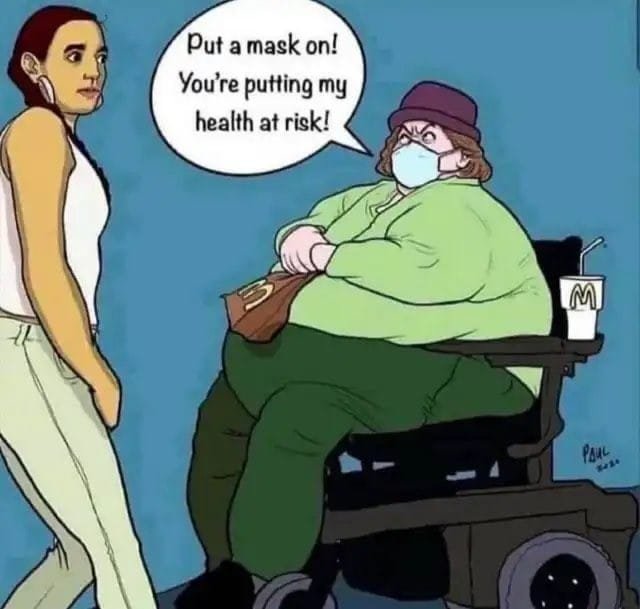
And they read. More than they get credit for. Not what the New York Times says they should—instead, it may be Thomas Sowell, Jordan Peterson, Douglas Murray, Victor Davis Hanson, and Ayn Rand. Joe Rogan’s three-hour conversations. Substack essayists breaking down primary sources. They’re self-taught, not school-taught. Because institutions stopped teaching inquiry and started teaching compliance.
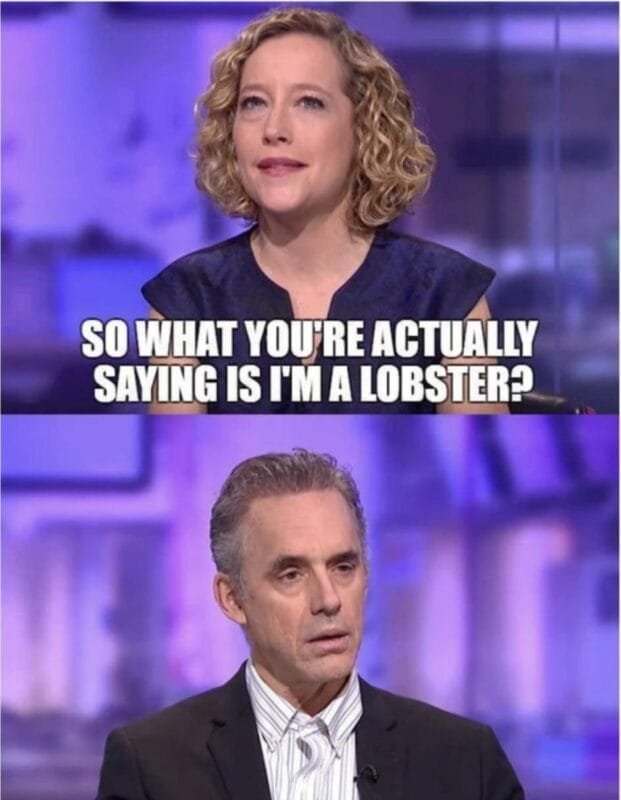
The academy didn’t fail by accident. It failed because it prioritized ideology over investigation. DEI training replaced debate. Critical theory replaced criticism. Students learn to identify oppression, not to question premises. The right’s readers aren’t anti-intellectual—they’re anti-credentialed-liar. They left the institutions because the institutions left the truth.
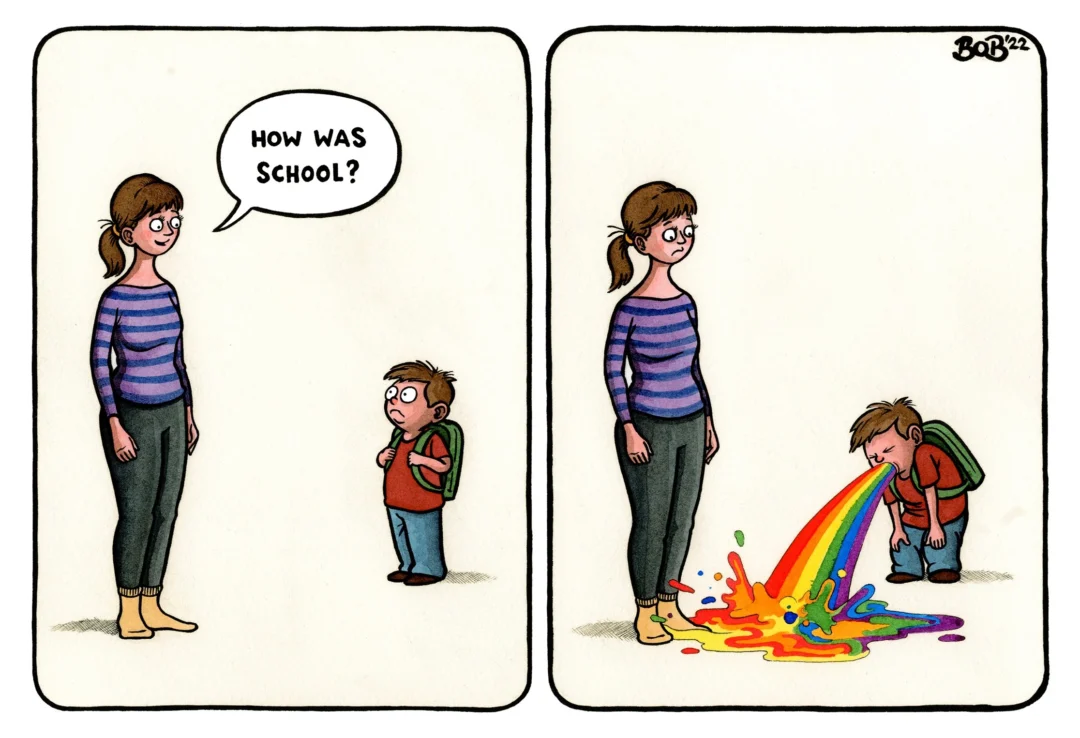
Self-education is the only real education now, at least in liberal arts and social sciences. You can’t trust a field that treats dissent as violence. So the right reads outside the canon, listens to long-form discussions, and trusts their own judgment. The left calls this dangerous. It’s just disobedience.
The Right’s Weakness: Axioms Without Argument
The right has a weakness. Sometimes they swap observation for axioms. “Because family.” “Because tradition.” “Because America.” These aren’t arguments—they’re stop signs. Religion, patriotism, family structure—all defensible on evidence and outcomes. But treating them as self-evident skips the reasoning step.
Lazy appeals to authority weaken the case. “We’ve always done it this way” isn’t a defense when the question is why. The right’s strength is its willingness to look at reality without filters. When it reaches for unchallengeable first principles instead of observable cause and effect, it borrows the left’s playbook.
But here’s the difference: this weakness is optional. The right can drop bad tradition arguments tomorrow and the worldview survives. Conservatism doesn’t collapse if you question one ritual. The left can’t drop the model. Pull one thread—admit men and women have biological differences, admit borders matter, admit inflation comes from printing money—and the whole tapestry unravels. The right’s flaw is a bad habit. The left’s is structural.
Why It Matters
“Based” started as hip-hop slang—rapper Lil B reclaimed it to mean “being yourself, not caring what others think.” The internet ran with it. Now it marks statements that refuse to bend to social pressure. When someone says something obviously true but officially unsayable—”men and women are different,” “inflation comes from printing money,” “borders define nations”—the response is “based.” It’s not agreement with every detail. It’s recognition that someone said the quiet part out loud without apologizing.
The term works because it names something the culture needed: truth-telling that doesn’t defer to the narrative. It’s the opposite of the left’s “that’s problematic”—which means “true but threatening to the model.” Based means “true, and I don’t care that it threatens the model.”

Memes are litmus tests. Can you compress truth into recognition? “Based” is the recognition itself—truth without apology, no filter for the narrative. It’s not slang. It’s a marker: “This matches what I see.”
The left can’t pass the test. Their memes don’t spread because their ideas don’t fit the environment. They require you to accept the framework before you understand the joke. That’s not memetic fitness—it’s evangelism. And it fails because people trust their eyes more than your theory.
The culture war isn’t about values. It’s about whether facts get a vote. The left treats observable reality as right-wing propaganda. Until they stop, they’ll stay blind. The right will keep compressing truth into images, phrases, and archetypes that replicate because they’re fit—not for an ideological ecosystem, but for the world as it is.